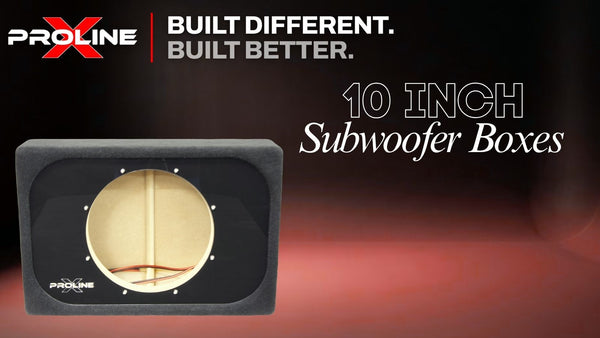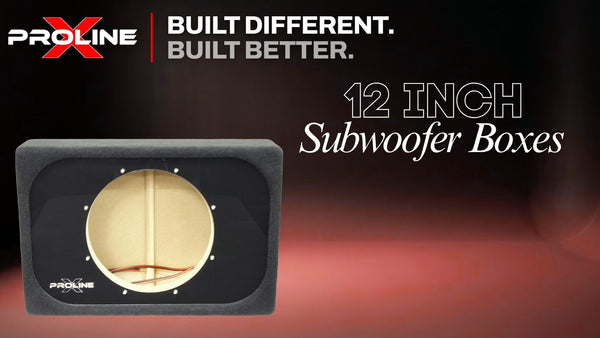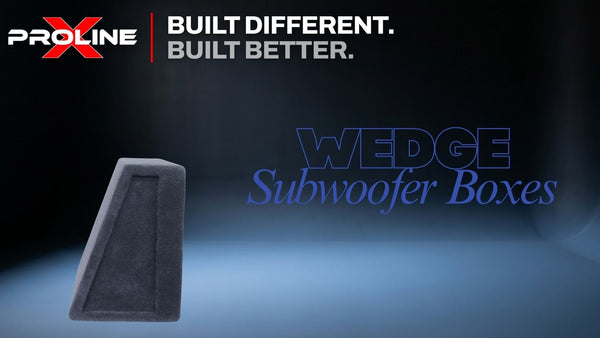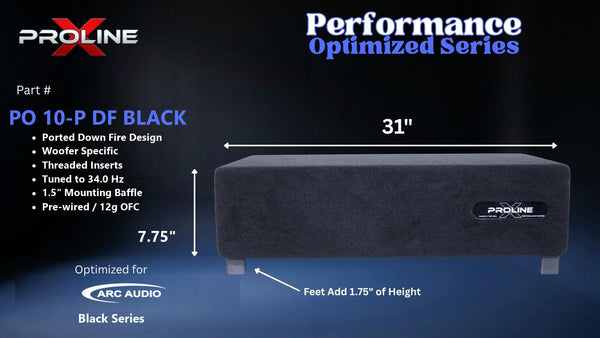
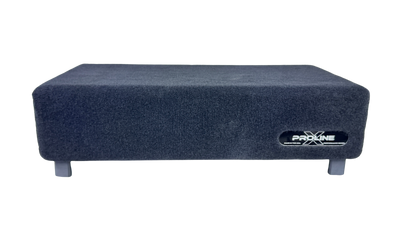
Proline X P10-S DF | Single 10" Sealed Down Fire Subwoofer Enclosure
$ 169.99
In stock and ready to ship!
DetailsDown-firing enclosures with ABS feet setting 1.75 inches of floor clearance. Sealed and ported, single, dual and triple, 8 to 15 inch, CNC-cut in Tullahoma.

Subwoofer Specific
Down-fire enclosures in stock today | dedicated down-fire builds plus Micro Series that work either way | 8 to 15 inch | single, dual and triple | sealed and ported
Decision Shortcut
Curated picks matched to common build goals
Best Value
Proline X
Universal cutout, no driver-specific tooling. The cheapest way into a proper down-fire cabinet.
$ 169.99
View DetailsBest for Shallow Builds
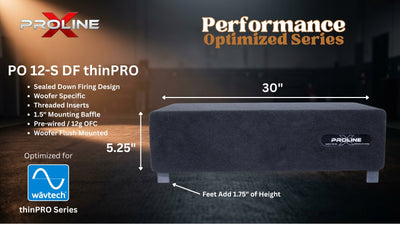
Proline X
Cut for a slim-profile 12 where floor-to-seat clearance is the constraint.
$ 279.99
View DetailsBest for SQ
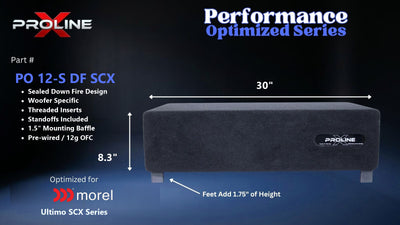
Proline X
Internal volume cut to the SCX122's published parameters for a sealed alignment.
$ 279.99
View DetailsBest High-Output
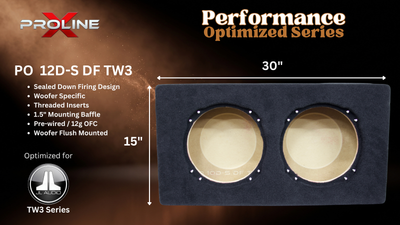
Proline X
Two 12s in isolated chambers, each cut to the TW3's published parameters.
$ 309.99
View DetailsBest for Cargo Bays
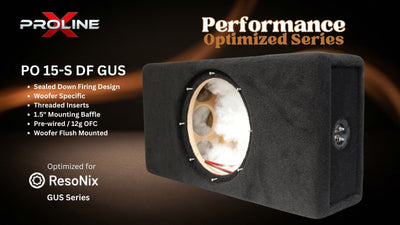
Proline X
Performance Optimized 15 inch cut to the GUS-15's published sealed alignment at 1.41 cubic feet. The most displacement in the range for a cargo bay that has the floor space.
$ 339.99
View DetailsBest Direct Fit
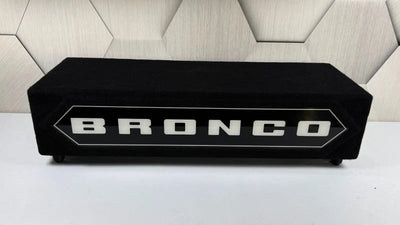
Proline X
Stack-fab vehicle-specific cabinet cut to the Bronco cargo floor.
$ 499.99
View Details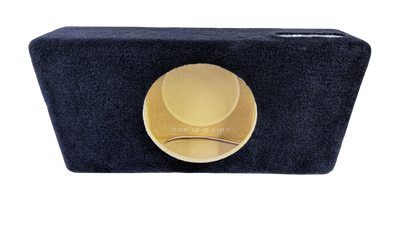
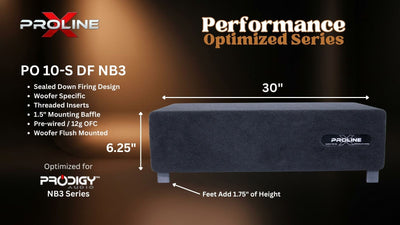
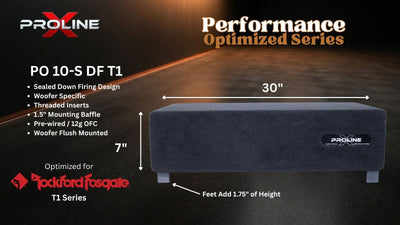
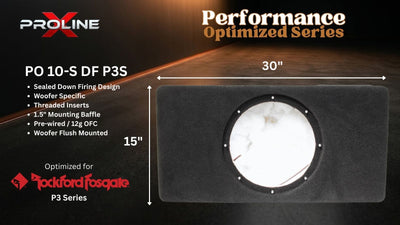
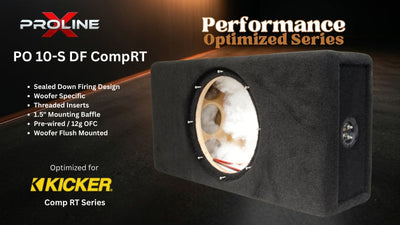
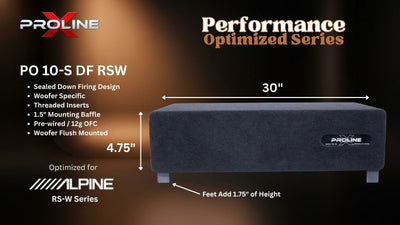
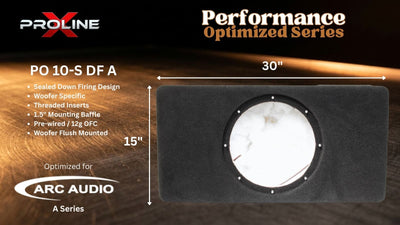
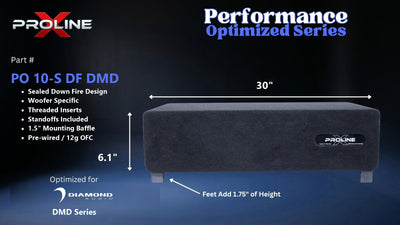
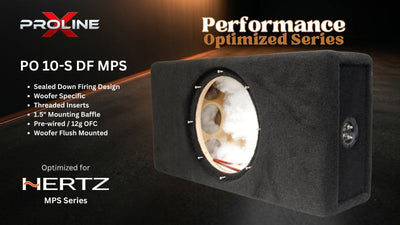
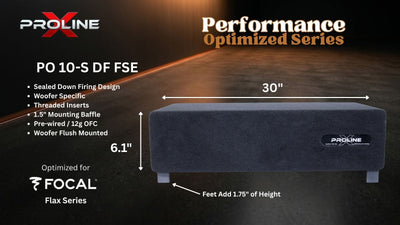
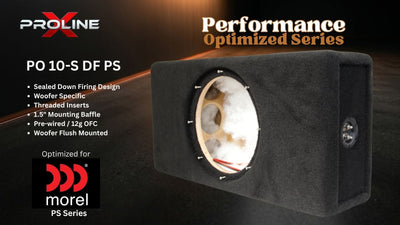
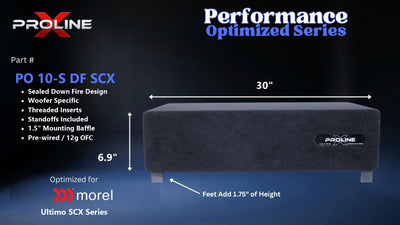
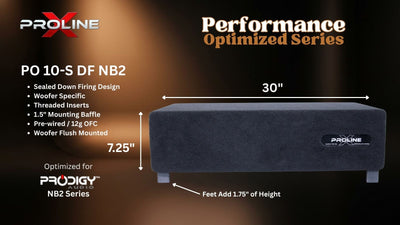
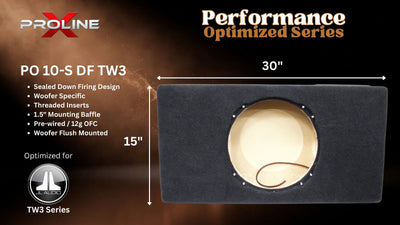
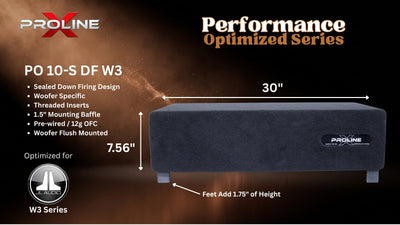
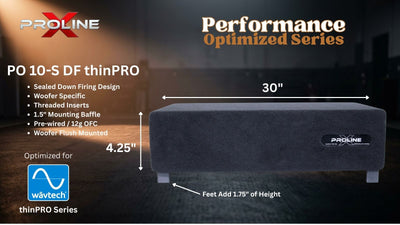
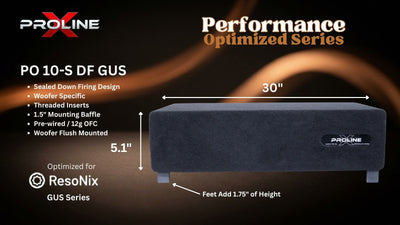
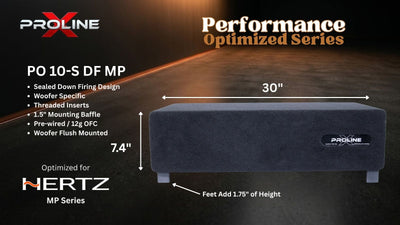
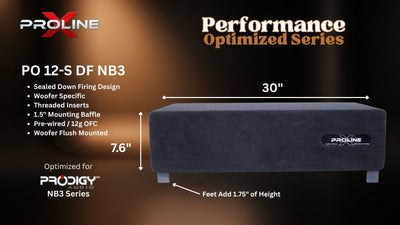
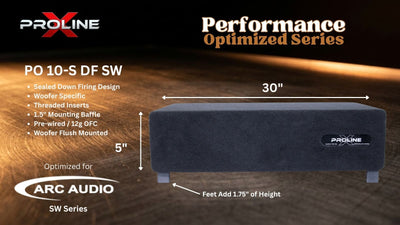
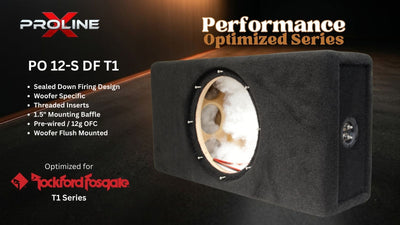
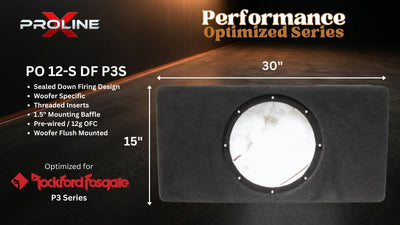
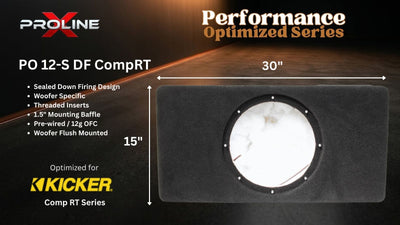
Down fire is how a cabinet is mounted, not how it is built, so this page spans four Proline X series. Baffle thickness and construction differ because the cabinets are made differently, not because one is a better version of another.
| Series | Front baffle | Construction | Threaded inserts | Warranty |
|---|---|---|---|---|
| Performance Optimized | 1.5 in double | Cut to one driver's published alignment, sealed or ported | Where the bolt pattern is on hand | 1 year limited |
| Micro Series | 1.5 in | Stack-fab with dowel reinforcement | 8/32 on the baffle backside | 2 year limited |
| Performance | 0.75 in single | V-groove and dado joinery | Where the bolt pattern is on hand | 1 year limited |
| Vehicle Specific | 0.75 in | Stack-fab with dowel reinforcement | 8/32 on the baffle backside | 2 year limited |
Shared across all four: Langboard Elite MDF at 48.5 lbs per cubic foot, 200 psi internal bond and 410,000 psi MOE, cut on ShopSabre routers in Tullahoma. Plush black carpet. A Proline X ABS and carbon fibre composite terminal cup with stainless hardware and copper ring terminals, pre-wired in 12-gauge OFC. Polyfill pre-installed on every sealed build; ported cabinets ship dry.
Each cabinet is cut to one driver's published alignment on a double 1.5 inch front baffle, sealed or ported. This is where most of the down-fire line sits and where the widest driver choice is.
1 year limited warranty
Stack-fab cabinets with dowel reinforcement and 8/32 threaded inserts on the baffle backside. All ship with feet, so they are down-fire capable without being cut exclusively for it.
2 year limited warranty
A single 3/4 inch baffle with V-groove and dado joinery and a universal cutout, so no driver-specific tooling is involved. The cheapest way into a properly built down-fire cabinet.
1 year limited warranty
Stack-fab with dowel reinforcement, cut to a specific vehicle's cargo floor rather than to a generic footprint. Currently the Bronco dual 12.
2 year limited warranty
Counts are shelf counts from our own inventory, not a supplier feed. Series assignment follows the cabinet build, not the orientation: down fire is how a box is mounted, not how it is made.
Supporting guides to help you design, build, and tune your system.
 Explainer
Which orientation suits your vehicle, and what each one costs you.
Read the guide Decision
Both alignments are on this page. What actually changes between them, with the cabinet numbers from our listings.
Read the guide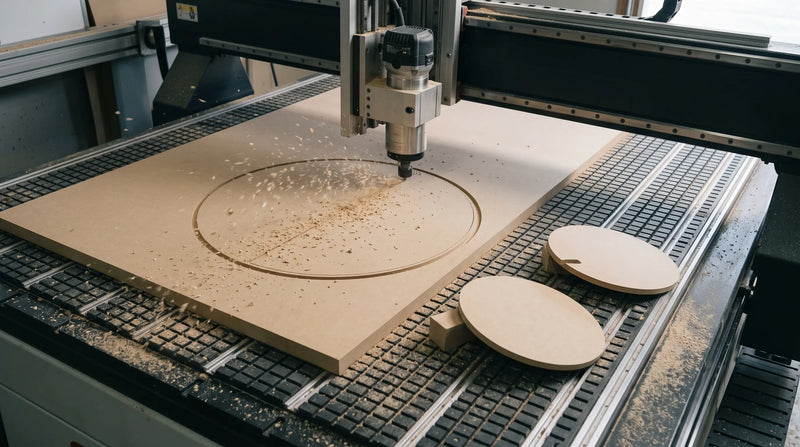 Application
Every driver we cut a down-fire cabinet for, with volumes per build.
Read the guide Decision
Both alignments are on this page. What each one actually does, with measurements rather than opinion.
Read the guide Explainer
How much floor gap you need, why carpet changes the answer, and what the feet are for.
Read the guide Decision
How to decide between one driver and two, and between a ten and a twelve, in a down-fire cabinet.
Read the guideA down-fire subwoofer box mounts the driver on the bottom baffle so the cone faces the vehicle floor rather than the cabin. The floor becomes part of the acoustic load, and the cone sits protected under the cabinet where cargo cannot reach it. Feet hold the box off the floor to set the gap the design needs.
Neither orientation is better in the abstract. Down-firing loads the driver against the floor and spreads output more evenly through the cabin instead of aiming it at one panel, and it protects the cone. Front-firing is easier to place and does not depend on what is under it. The orientation has to be designed in either way, because a box built to sit upright and then turned over has the wrong bracing and no clearance under the cone.
Enough that the cone is not choked, and no more than that. Our cabinets ship with feet that set the gap for you, so it is not left to carpet thickness. Measure with the box loaded and sitting where it will live, because plush carpet compresses under weight. ResoNix builds include custom-fit standoffs to hold that driver at its required clearance.
Both. The sealed cabinets ship with polyfill already installed. The ported down-fire cabinets carry an L-wrap slot port, one folded wall with a single bend, sized to the driver and stated as a tuning frequency on the listing. They ship dry, because damping material changes the volume the port is tuned against. Ported builds are singles, and the enclosure type filter splits the two.
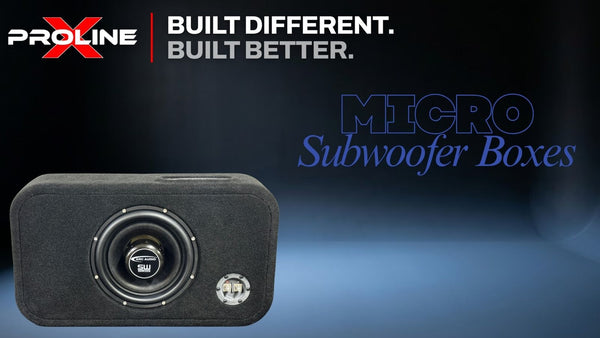
That depends on mounting depth more than anything else. If a standard-depth cabinet will not fit, the Micro Series exists for exactly that problem, with shallow-mount builds cut for slim drivers. Measure the height you have with the seat at its lowest position, not its highest, and remember the feet add to the total.
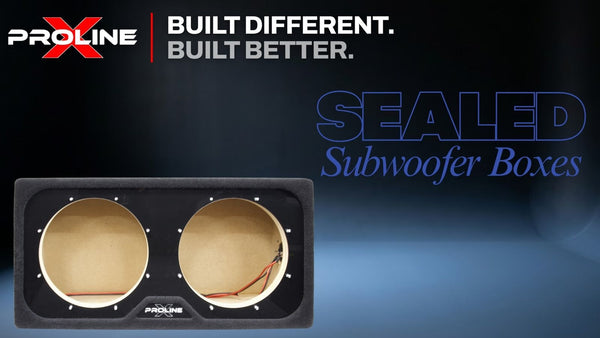
Because a dual cabinet is constrained by mounting depth in a way a single is not, so each chamber is cut tighter. That is a deliberate design decision rather than a data error. A published net volume only means something against the driver the cabinet was cut for and the build it is part of.
Every box is cut to one driver's published specs. Pick the brand your subwoofer comes from.
Drivers Built to Match
The drivers below are matched to the enclosures above by Thiele-Small parameters. Buying together guarantees the alignment, port tuning, and damping work the way the engineering intended.

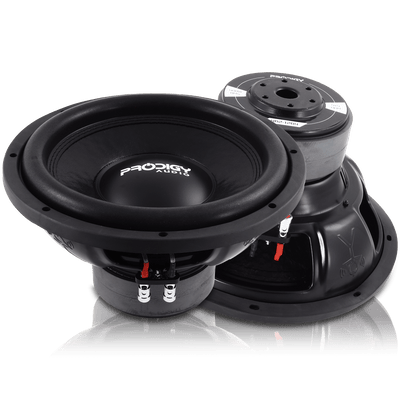
Prodigy Audio
$ 138.99 $ 145.99

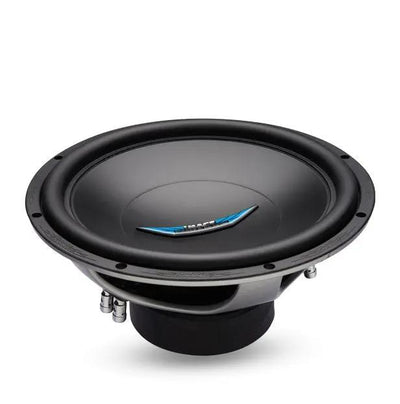
Image Dynamics
$ 139.99

Prodigy Audio
$ 148.99 $ 165.99
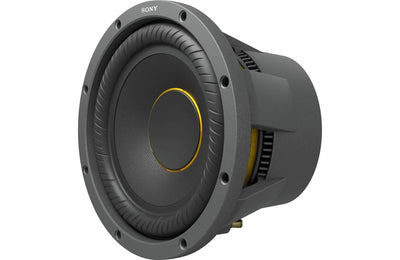
Sony
$ 198.00 $ 299.99
Drivers Built to Match
The drivers below are matched to the enclosures above by Thiele-Small parameters. Buying together guarantees the alignment, port tuning, and damping work the way the engineering intended.
Drivers Built to Match
The drivers below are matched to the enclosures above by Thiele-Small parameters. Buying together guarantees the alignment, port tuning, and damping work the way the engineering intended.
Amplifiers for the System
Monoblock amplifiers matched to the power requirements of the drivers these enclosures are built for. Buy the enclosure, match the driver, pick the right amplifier.
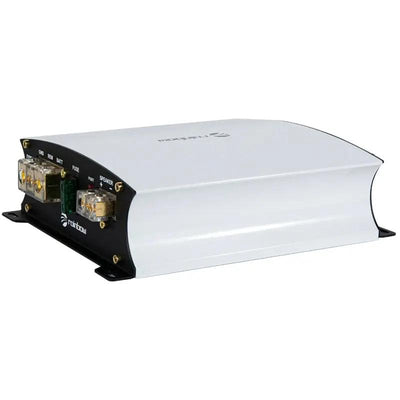
Rainbow
$ 89.99 $ 399.99
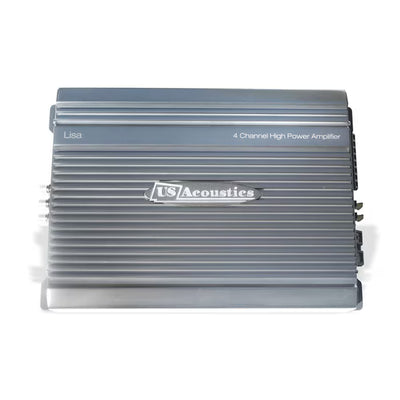
US Acoustics
$ 159.99
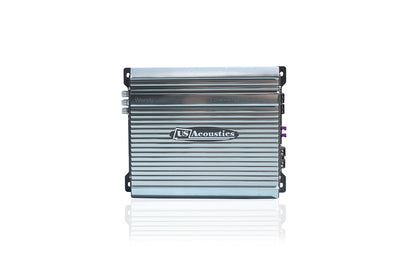
US Acoustics
$ 159.99
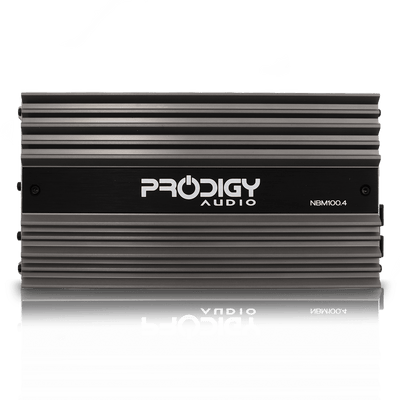
Prodigy Audio
$ 225.99 $ 270.99
Last updated September 4, 2026