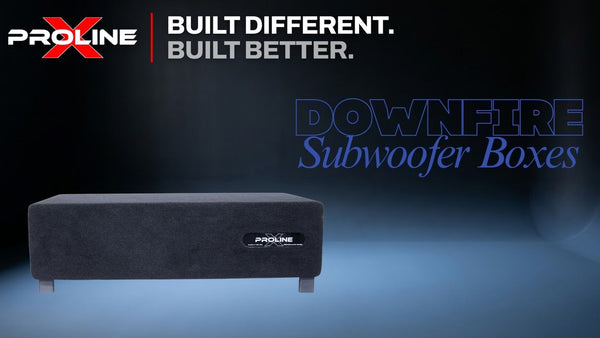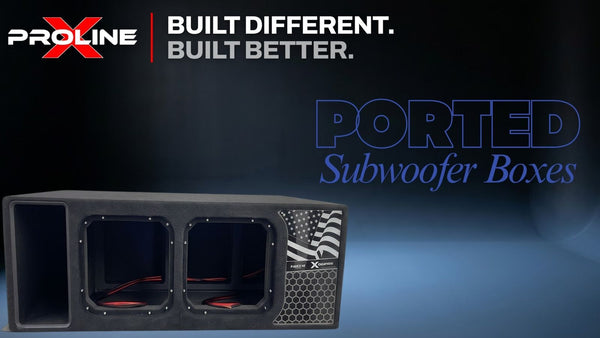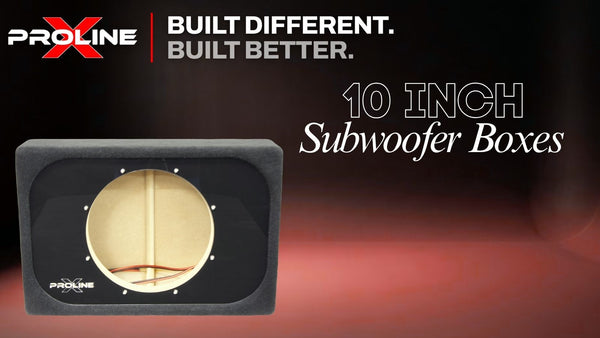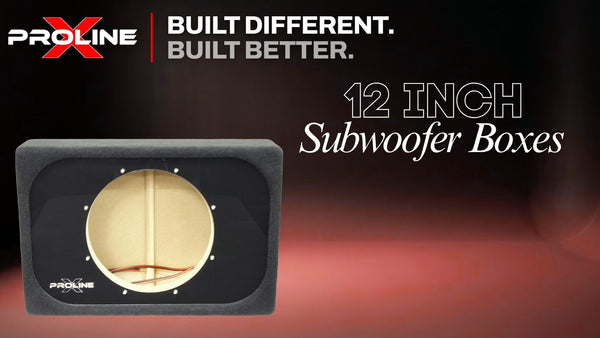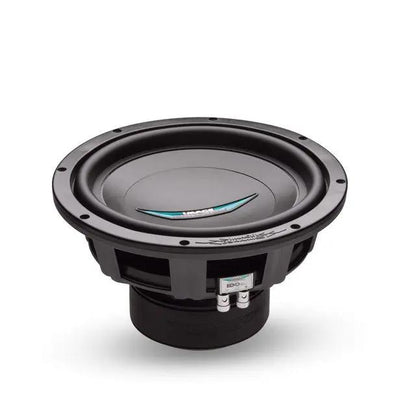

Image Dynamics ID8 V4 Box: Ported 8" Down Fire Enclosure
$ 279.99
In stock and ready to ship!
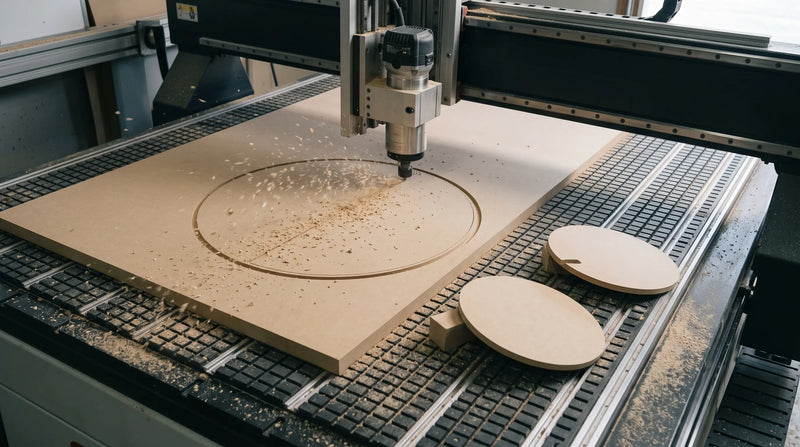
DetailsDown-fire cabinets with an L-wrap slot port folded inside, tuned to the driver and stated on every listing. 8 to 13 inch, CNC-cut in Tullahoma.

Ported, Fires Into the Floor
Ported down-fire cabinets in stock today | 8, 10, 12 and 13 inch | single driver, one common chamber | tuning stated per cabinet | cut to the driver you own
Decision Shortcut
Curated picks matched to common build goals
Best Flat Response

Proline X
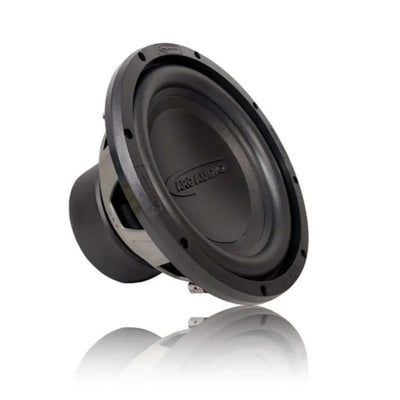
Arc Audio Black Series 10. 0.36 dB of passband ripple, the flattest cabinet in the ported down-fire line.
$ 309.99
View DetailsBest for Shallow Depth

Proline X
Wavtech thinPRO12. Three inches of mounting depth, 750 W RMS and 20 mm of travel in a ported twelve nothing else here fits where this fits.
$ 339.99
View DetailsBest High-Output

Proline X
Rockford Fosgate T1D412. 800 W RMS and 16 mm of one-way travel, the most driver we build a ported cabinet for.
$ 339.99
View DetailsBest 8 Inch
Proline X
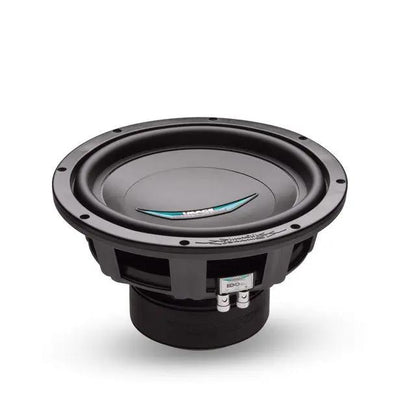
Image Dynamics ID8 V4. A 31 Hz free-air resonance on an eight is what earns the port; 13 inches deep at the lowest price in the line.
$ 279.99
View Details


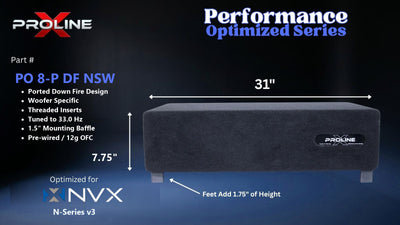


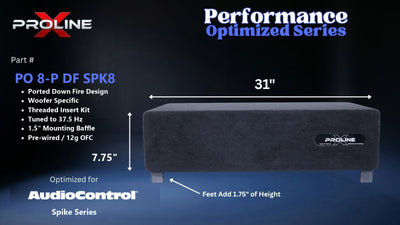


Same orientation, same feet, same floor loading. The alignment changes the cabinet, the driver count and what you have to do at the amplifier, and this is the comparison that decides between the two pages.
| Sealed down-fire | Ported down-fire | |
|---|---|---|
| Chambers | One per driver, volume quoted per chamber | One common chamber, volume quoted for the box |
| Footprint | 30 inches wide, 15 deep, fixed | 31 inches wide, depth set by the driver |
| Height on feet | Set by the driver, feet add 1.75 inches | 7.75 inches, 9.50 on the feet |
| Polyfill | Installed on every build | None. Ships dry so the tuning holds |
| Tuning stated | No, a sealed box has none | Yes, on every listing |
| Driver count | Single, dual and triple | Single |
| Subsonic filter | An improvement | A requirement, set just under tuning |
| Pick it when | Height or depth is the limit, or you want a dual | The floor has the room and output per watt matters |
Shared across both: Langboard Elite MDF at 48.5 lbs per cubic foot, 200 psi internal bond and 410,000 psi MOE, cut on ShopSabre routers in Tullahoma. V-groove and dado joinery, a double 1.5 inch baffle, plush black carpet, ABS feet, and a Proline X ABS and carbon fibre composite terminal cup with stainless hardware, pre-wired in 12-gauge OFC.
The shallowest cabinets in the line, cut for eights whose free-air resonance is low enough to earn a port. A box the depth of a ten that plays lower than an eight has any right to.
1 year limited warranty
Where most of the line sits. Ten inch drivers from every brand we cut for, each with its own tuning and its own depth.
1 year limited warranty
The heaviest motors and the highest power ratings in the range. Depth runs to the top of the chassis to clear them.
1 year limited warranty
Cut for the JL Audio 13TW5v2, the one thirteen inch driver we build a ported down-fire cabinet for.
1 year limited warranty
Prices are the fixed tier for each size. Every card is the same series, Performance Optimized, cut to one driver on one chassis; the driver, the depth and the tuning are what change.
Supporting guides to help you design, build, and tune your system.
 Application
Every driver we cut a down-fire cabinet for, sealed and ported, with the volume and tuning of each build.
Read the guide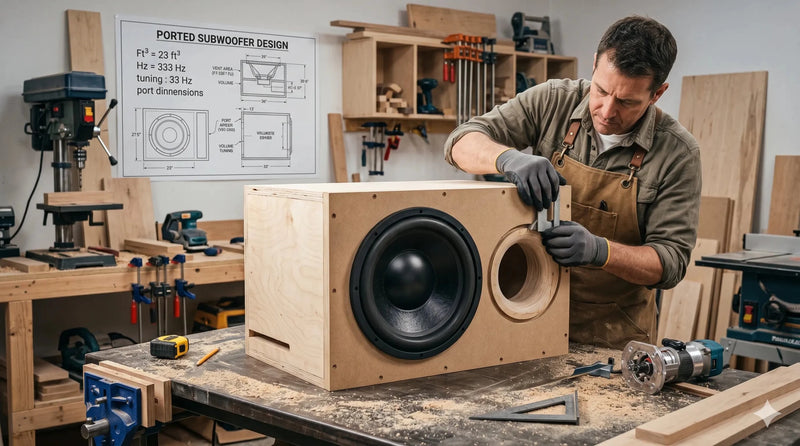 Explainer
How net volume, port area and tuning frequency are set from the driver, and what goes wrong when they are not.
Read the guide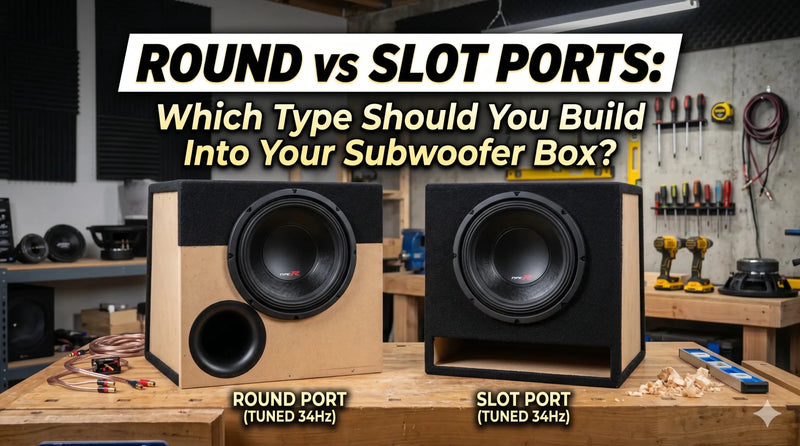 Explainer
Why these cabinets carry a slot rather than a tube, and why port velocity matters more than port shape.
Read the guide Decision
What each alignment actually does, with measurements rather than opinion. Our sealed down-fire cabinets are the other half of this decision.
Read the guide Decision
What changes when you move from the sealed down-fire page to this one: chamber, depth, tuning, polyfill and the filter.
Read the guide Application
Every ported cabinet needs one. Where to set it relative to the tuning frequency, and why.
Read the guideAn enclosure that mounts the driver on the bottom baffle so the cone fires into the vehicle floor, with a tuned slot port built into the cabinet. The floor loads the cone and protects it from cargo, and the port adds output around its tuning frequency that a sealed box of the same driver cannot reach. Feet hold the cabinet 1.75 inches off the floor.
Folded inside the cabinet. It is an L-wrap slot formed by one wall: a leg down the long side past the woofer ring, one faceted 90 degree bend, and a leg across the end that exits through the side of the box. Each port is sized to its driver, and the air speed is held under 17 meters per second at tuning so it does not chuff.
Each listing states its own, and they sit in the low to mid thirties. That is deliberate. A vehicle adds roughly 12 dB per octave below about 45 Hz, so tuning very low doubles up on what the cabin already does and leaves 40 to 60 Hz thin. Tuning near the driver's own resonance keeps the cone quiet where the port is doing the work.
No, and do not add any. Every sealed cabinet we build ships with polyfill, but damping material changes the volume a port is tuned against. Stuff a ported box and you move the tuning without shortening the port, which gives you a mistuned enclosure rather than a bigger-sounding one.
Not in this line. Every ported down-fire cabinet is a single driver in one common chamber. Two drivers sharing one tuned volume is a different design problem, so the duals and the triple in our down-fire range are sealed builds, each with its own chamber per driver.
Yes. Below its tuning frequency a ported box stops loading the cone and excursion runs away toward the driver's limits. Set the amplifier's subsonic filter just under the tuning stated on the listing. On a sealed build the same filter is an improvement; on a ported one it is a requirement.
Every box is cut to one driver's published specs. Pick the brand your subwoofer comes from.
Drivers Built to Match
The drivers below are matched to the enclosures above by Thiele-Small parameters. Buying together guarantees the alignment, port tuning, and damping work the way the engineering intended.
Drivers Built to Match
The drivers below are matched to the enclosures above by Thiele-Small parameters. Buying together guarantees the alignment, port tuning, and damping work the way the engineering intended.

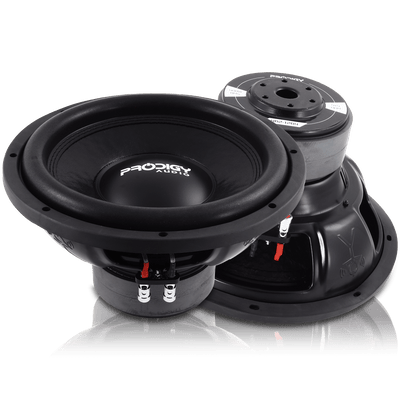
Prodigy Audio
$ 138.99 $ 145.99

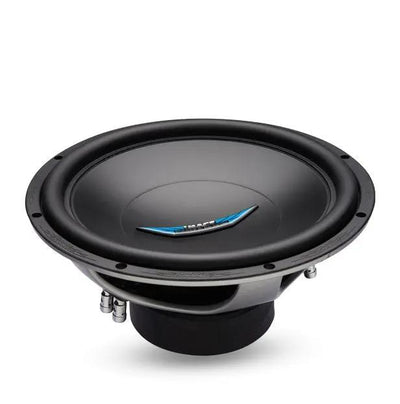
Image Dynamics
$ 139.99

Prodigy Audio
$ 148.99 $ 165.99
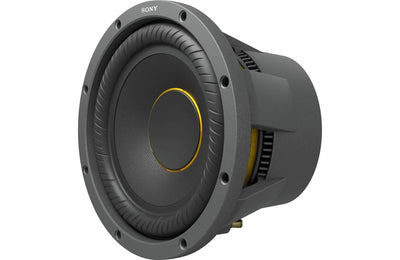
Sony
$ 198.00 $ 299.99
Drivers Built to Match
The drivers below are matched to the enclosures above by Thiele-Small parameters. Buying together guarantees the alignment, port tuning, and damping work the way the engineering intended.
Amplifiers for the System
Monoblock amplifiers matched to the power requirements of the drivers these enclosures are built for. Buy the enclosure, match the driver, pick the right amplifier.
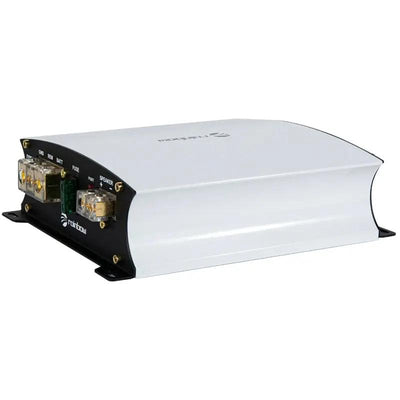
Rainbow
$ 89.99 $ 399.99
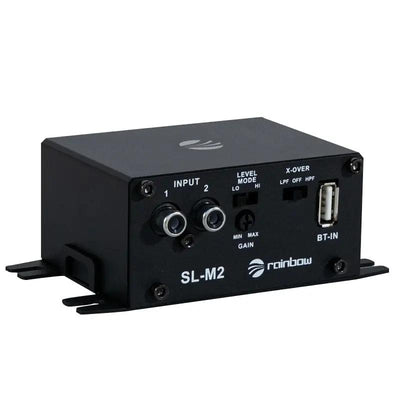
Rainbow
$ 98.99 $ 549.99
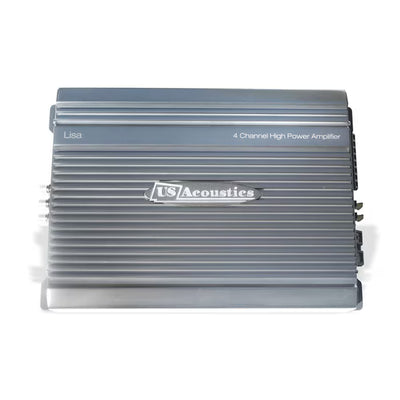
US Acoustics
$ 159.99
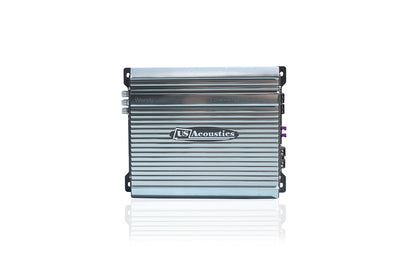
US Acoustics
$ 159.99
Last updated September 4, 2026