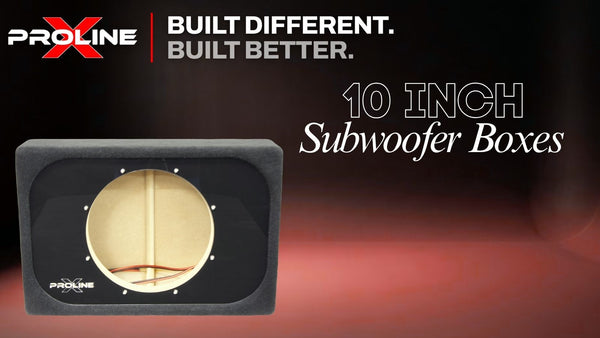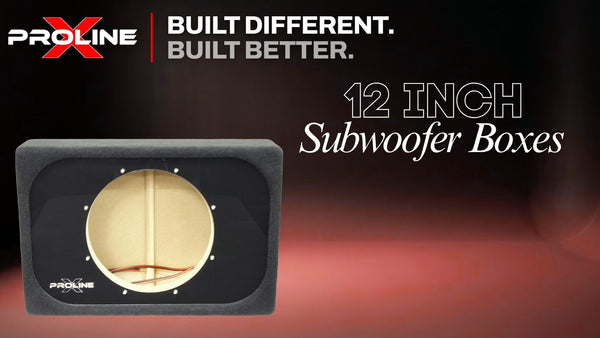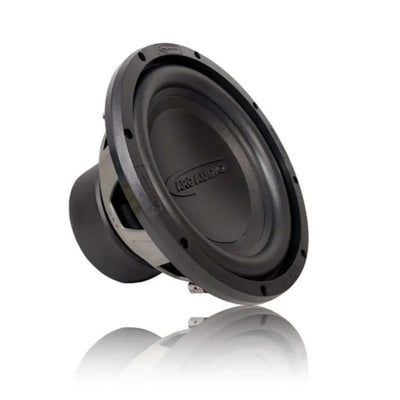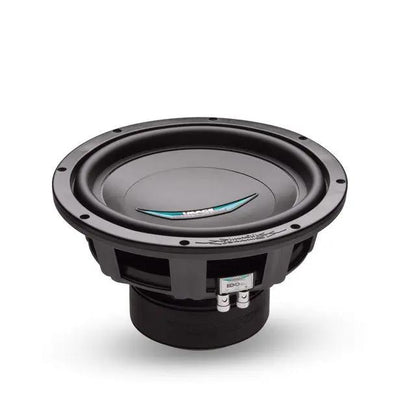

Proline X Micro Series 10" Sealed Enclosure | Built for ResoNix GUS-10
$ 249.99
In stock and ready to ship!
DetailsSealed enclosures cut for ResoNix GUS subwoofers, CNC-machined in Tullahoma, Tennessee.

Sealed, Cut to Measured Data
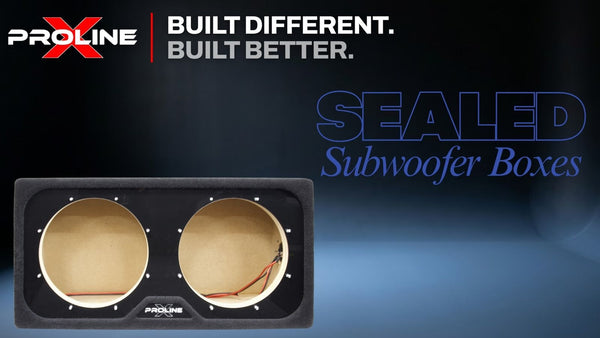
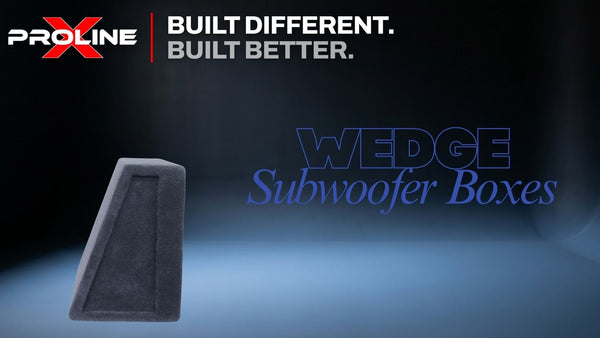
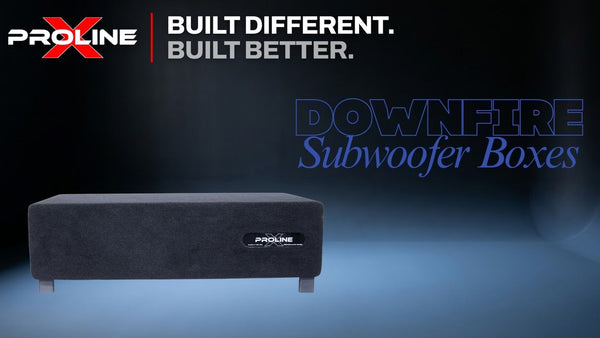
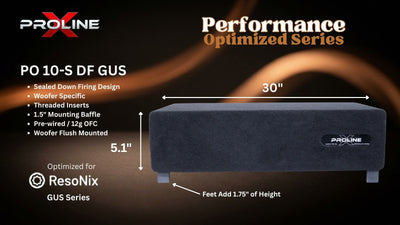
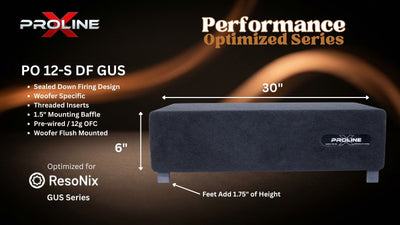
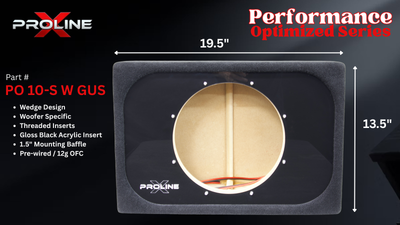
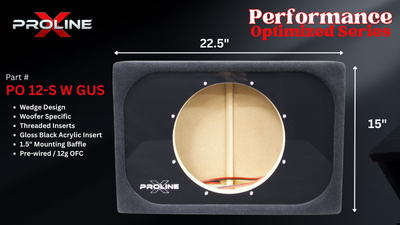
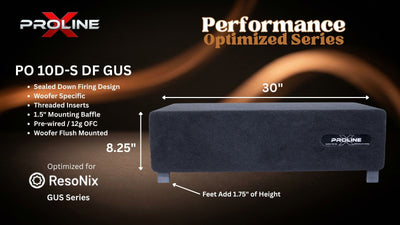
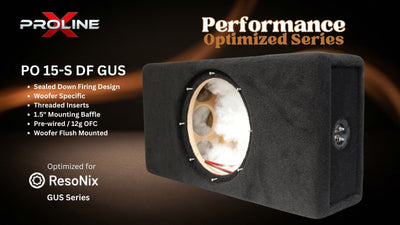
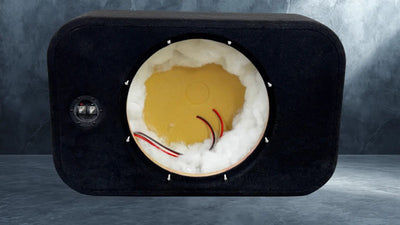
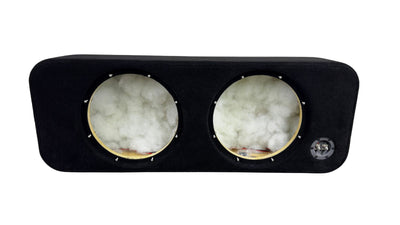
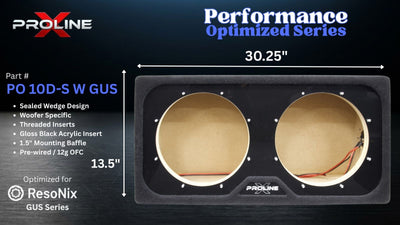
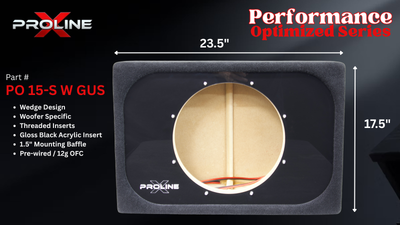
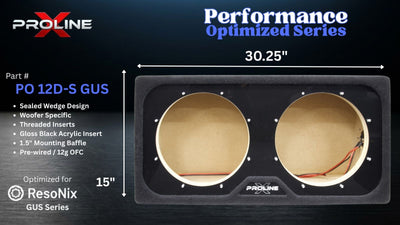
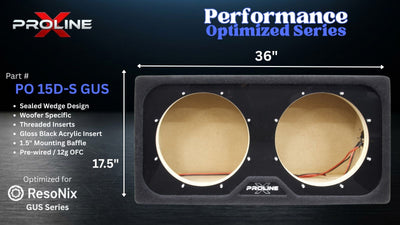
Sealed ResoNix enclosures in ten, twelve and fifteen inch across Performance Optimized and Micro Series, in standard, wedge and down-fire, single and dual.



All products loaded
All three orientations are sealed and cut to the same driver data, so the choice is fitment rather than sound. Match the model and coil variant on the product page.
| Size | Orientations | Configurations | Series |
|---|---|---|---|
| 10 inch | Standard, wedge, down-fire | Single and dual | Performance Optimized and Micro |
| 12 inch | Standard, wedge, down-fire | Single and dual | Performance Optimized and Micro |
| 15 inch | Standard, wedge, down-fire | Single and dual | Performance Optimized and Micro |
Shared across every row: Langboard Elite MDF cut on ShopSabre routers in Tullahoma, Tennessee. Plush black carpet. A Proline X ABS and carbon fibre composite terminal cup with stainless hardware, pre-wired in 12-gauge OFC. Construction method varies by series and is stated on each product page.
ResoNix publishes large-signal measured parameters and a full mounting specification including the bolt circle. Only a handful of the drivers in our database carry a published bolt circle at all. It means these baffles are cut to fit exactly rather than to a generic cutout.
We do not currently stock ResoNix drivers. These cabinets are built to the figures ResoNix publishes, for a subwoofer you already own or buy elsewhere. Nothing about the fit depends on where the driver came from.
Most of the ResoNix range. Cut to one driver on a 1.5 inch double baffle, in standard, wedge and down-fire forms.
Cut to one driver
For openings a standard cabinet will not fit, where depth rather than floor area is the binding constraint.
Cut to one driver
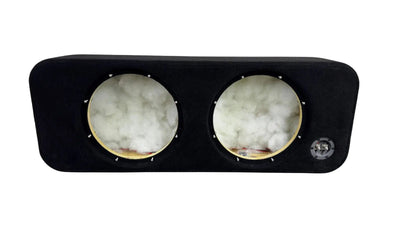
Duals share the cabinet but each driver keeps its own chamber, cut tighter than the same driver gets alone so the box still fits the space.
Sealed
Baffle thickness and construction method vary by series. Each product page states how that cabinet is built and which ResoNix model it was cut for.
Supporting guides to help you design, build, and tune your system.
 Application
Check the net volume your GUS needs. ResoNix publish measured parameters, so the figure you calculate should match what we cut.
Read the guide Explainer
A good share of the ResoNix cabinets are duals, so this is a live choice rather than an edge case.
Read the guide Application
Every wiring configuration laid out, which matters because the GUS comes in more than one coil variant.
Read the guide Application
How to wire two GUS drivers to one amplifier, and what that does to the impedance your amp actually sees.
Read the guide Explainer
Why the cut decides whether a cabinet holds its designed volume. ResoNix publish a bolt pattern, so the baffle can be cut to it exactly.
Read the guide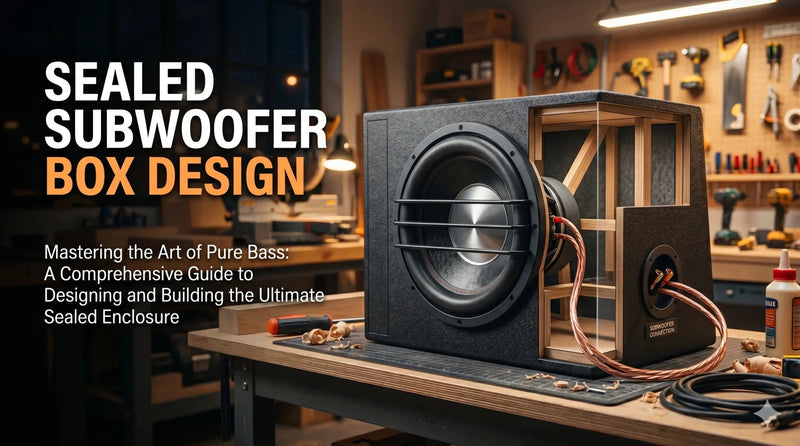 Explainer
Why net volume decides how a sealed cabinet sounds, and why every ResoNix cabinet here is sealed rather than ported.
Read the guideThe cabinets here are cut for the ResoNix GUS subwoofers in ten, twelve and fifteen inch. Each product page names the exact model and coil variant it was designed around, and that is the match to work from.
Not at the moment. We build the enclosures, cut to the parameters ResoNix publishes, and you source the driver. If you already own the subwoofer, that is exactly what these cabinets are for.
They publish large-signal measured parameters rather than small-signal estimates, and they state the mounting hole pattern including the bolt circle. Very few manufacturers publish the latter at all. It means the cabinet volume reflects real behaviour under power and the baffle can be cut to fit precisely.
Whichever suits the space, because all three are sealed and cut to the same driver data. Standard front-firing needs only the opening; a wedge sits flush against a seat back; a down-fire cabinet uses the floor as part of the load and needs designed-in clearance underneath.
Micro Series cabinets are the shallow-space builds, for openings a standard cabinet will not fit. Performance Optimized cabinets are cut to one driver on a 1.5 inch double baffle where there is more room. Both are cut to the same published driver data.
All sealed, and every one ships with polyfill already installed. The fill is part of how the cabinet was tuned rather than an accessory.
Drivers Built to Match
The drivers below are matched to the enclosures above by Thiele-Small parameters. Buying together guarantees the alignment, port tuning, and damping work the way the engineering intended.

Prodigy Audio
$ 138.99 $ 145.99

Image Dynamics
$ 139.99

Prodigy Audio
$ 148.99 $ 165.99
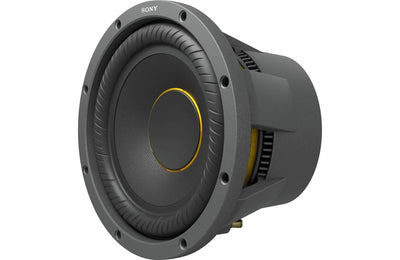
Sony
$ 198.00 $ 299.99
Drivers Built to Match
The drivers below are matched to the enclosures above by Thiele-Small parameters. Buying together guarantees the alignment, port tuning, and damping work the way the engineering intended.
Amplifiers for the System
Monoblock amplifiers matched to the power requirements of the drivers these enclosures are built for. Buy the enclosure, match the driver, pick the right amplifier.
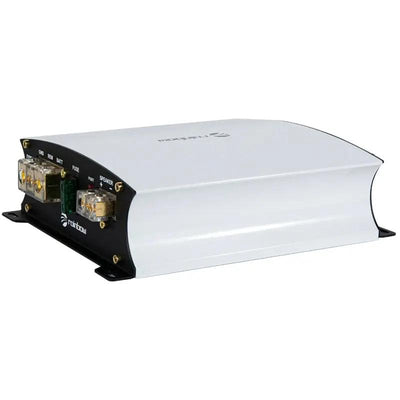
Rainbow
$ 89.99 $ 399.99
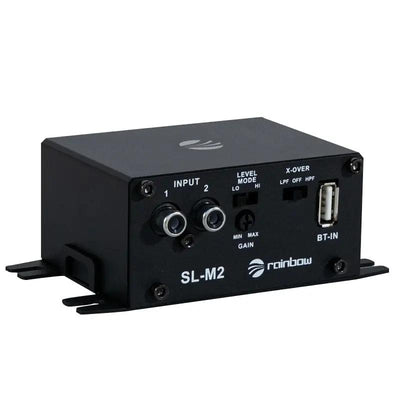
Rainbow
$ 98.99 $ 549.99
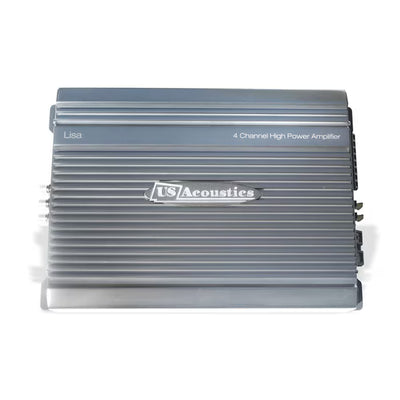
US Acoustics
$ 159.99
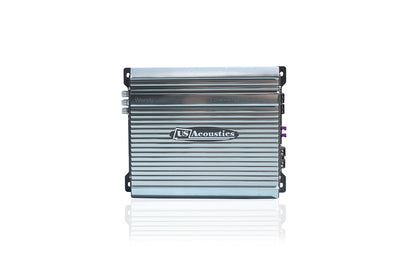
US Acoustics
$ 159.99
Last updated August 28, 2026