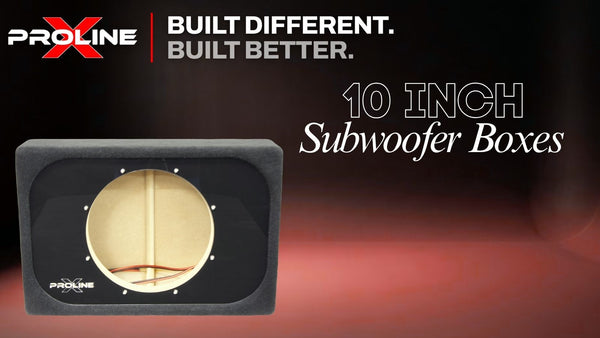
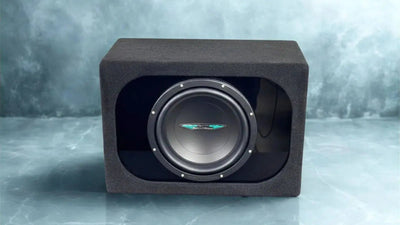
Image Dynamics IDQ 10 Box: Sealed 10" Enclosure
$ 249.99
In stock and ready to ship!
DetailsDriver-matched cabinets on a 1.5 inch double baffle, CNC-cut in Tullahoma, Tennessee.

Cut to one driver
Driver-matched cabinets in stock | 1.5 in double baffle | sealed and ported | wedge, down-fire and standard | single, dual and triple | cut in Tullahoma
Decision Shortcut
Curated picks matched to common build goals
Best for Image Dynamics IDQ
Proline X
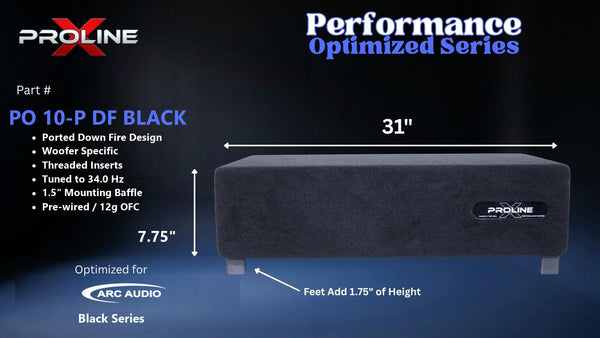
Performance Optimized for the IDQ10 V4 specifically. Dimensions, port, and baffle cutout calculated for IDQ's Thiele-Small parameters.
$ 229.99
View DetailsBest for Sony Mobile ES
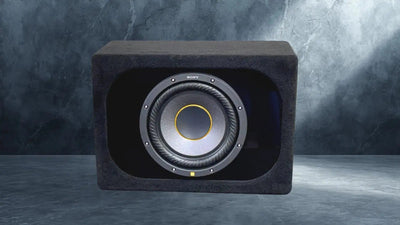
Proline X
Sealed 10 inch Sony XS-W104ES enclosure. Driver-matched fitment for the closeout-priced Mobile ES driver.
$ 229.99
View Details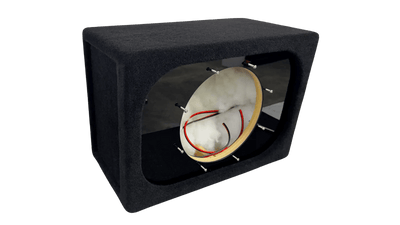
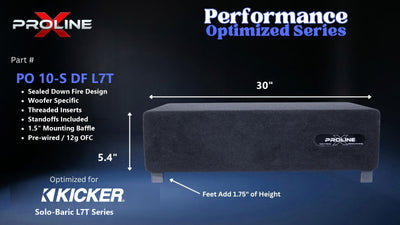
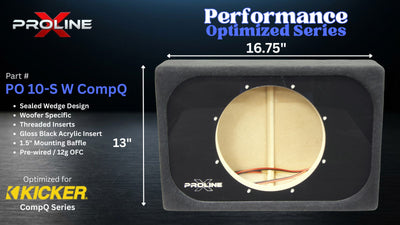
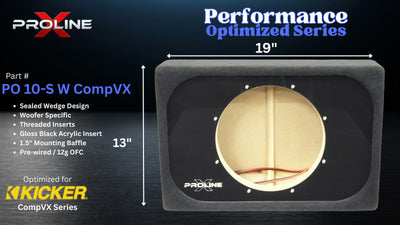
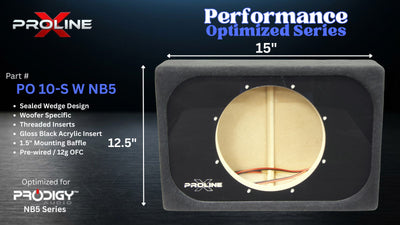
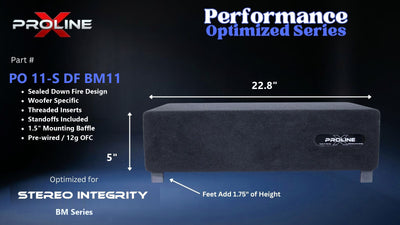
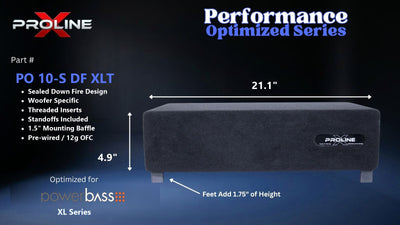


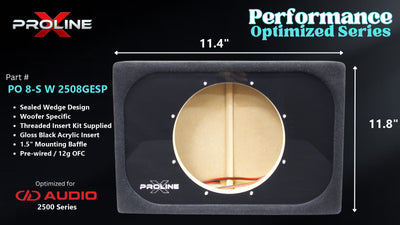
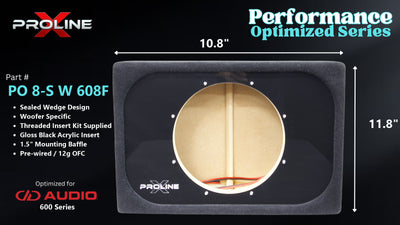

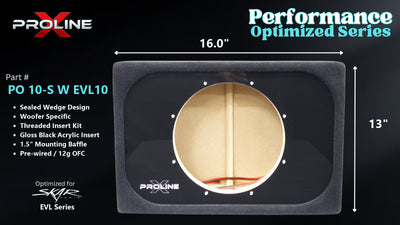
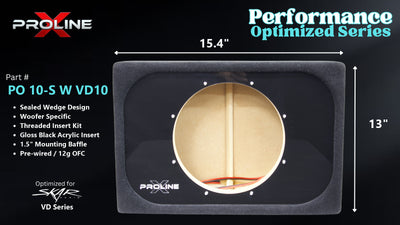
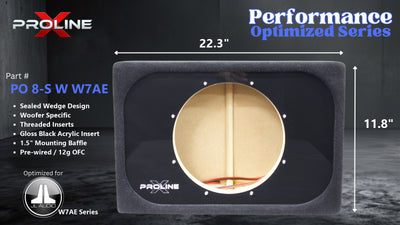
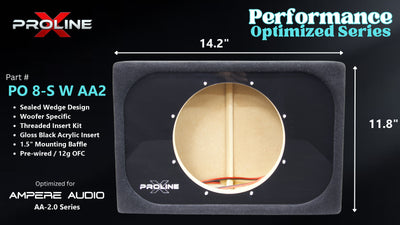
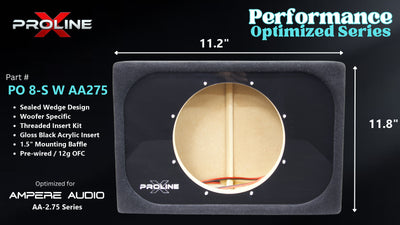

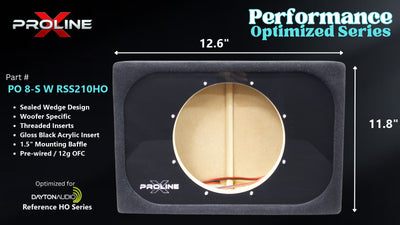
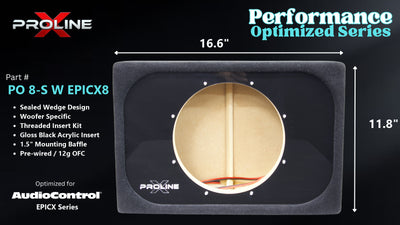
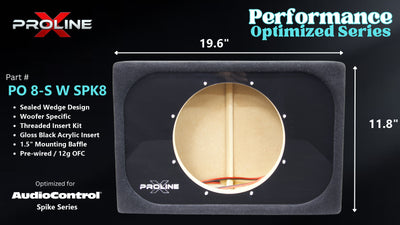
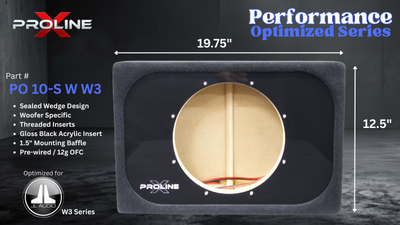
Orientation is the real choice inside this standard. All three are solved to the same alignment for a given driver, built on the same 1.5 inch double baffle, and differ in where the cabinet can sit. Wedge and down-fire come sealed or ported; standard is sealed.
| Orientation | Baffle | Alignments | What it needs | Best for |
|---|---|---|---|---|
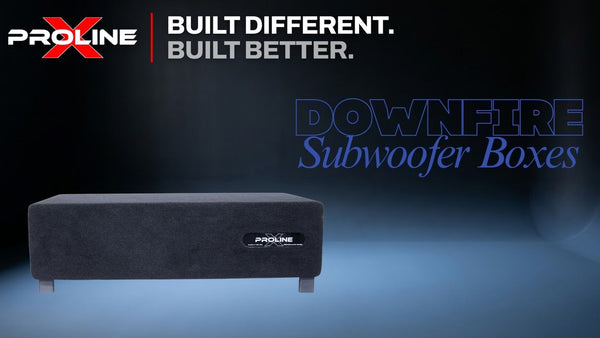
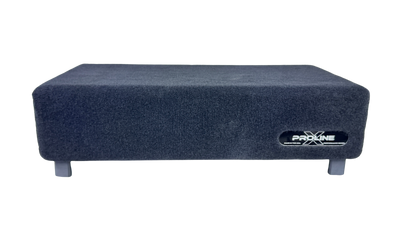
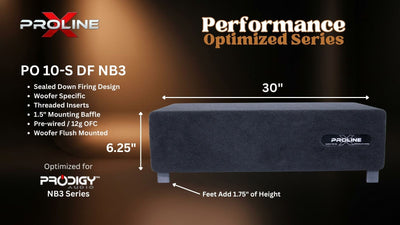
| Down fire | 1.5 in double | Sealed and ported | A flat, solid floor and feet clearance counted into total height | Cargo bays, open cabins, and anywhere things get stacked on the box |
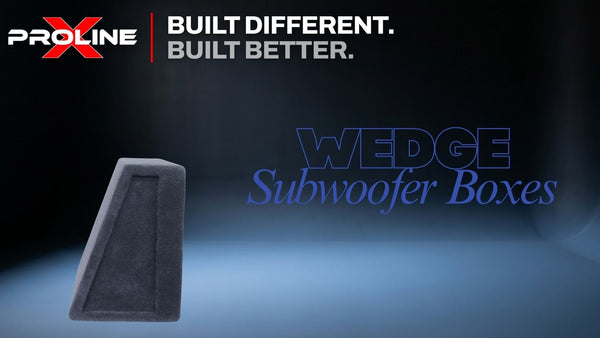
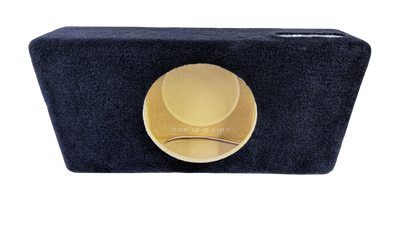
| Wedge | 1.5 in double | Sealed and ported | Something angled to sit against | Against a seat back, a hatch or a sloped rear wall |
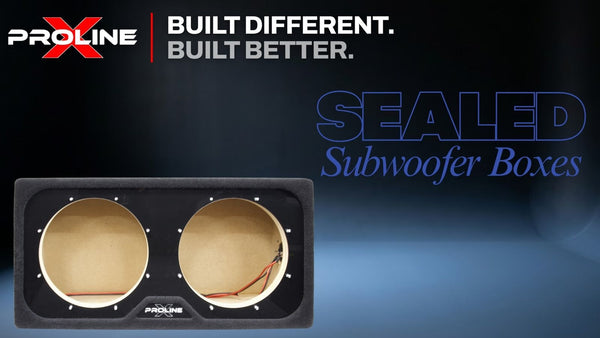
| Standard | 1.5 in double | Sealed | Nothing in particular | A plain rectangular space with room to spare |
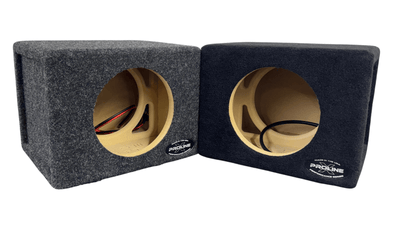
Shared across every row: Langboard Elite MDF cut on ShopSabre routers in Tullahoma, Tennessee. Plush black carpet. A Proline X ABS and carbon fibre composite terminal cup with stainless hardware, pre-wired in 12-gauge OFC. Construction method varies by series and is stated on each product page.
A Performance Optimized cabinet is cut to one model published parameters, so the driver is not a choice you make afterwards. That is the whole point of the standard, and it is why the product page names the subwoofer rather than just the size. If you expect to change drivers, a universal-cutout cabinet is the better buy.
A large share of this range is cut for brands we are not a dealer for. We build the enclosure to those drivers published parameters and you buy the subwoofer wherever suits you. The box is the product, and it has to be right on its own.
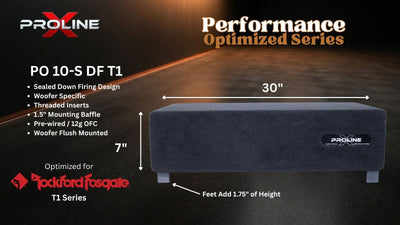
The cone faces the vehicle floor, which loads the driver against a boundary and puts the cone where cargo cannot reach it. Feet set the clearance the design needs rather than leaving it to carpet.
Needs a flat, solid floor. Sealed and ported.
The taper is on the rear panel so the front baffle stays vertical and the driver still fires forward. It turns the dead space behind a seat back into usable cabinet volume.
Needs something angled. Sealed and ported.
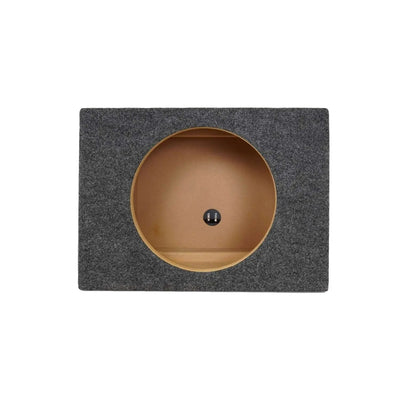
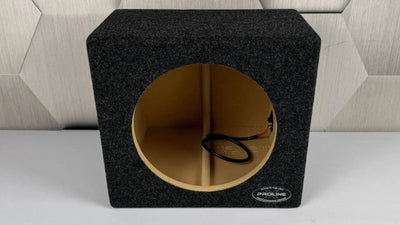
Front-firing, no clearance requirement and nothing to lean on. The default when the space is simply a box with room in it.
Needs nothing in particular. Sealed.
Baffle thickness and construction method vary by series. Each product page states how that cabinet is built and, where it is driver-matched, which model it was cut for.
Supporting guides to help you design, build, and tune your system.
 Application
Check the net volume your driver wants before deciding whether a driver-matched cabinet is worth it.
Read the guide Explainer
What separates Performance Optimized from the other build standards, and what each one costs you.
Read the guide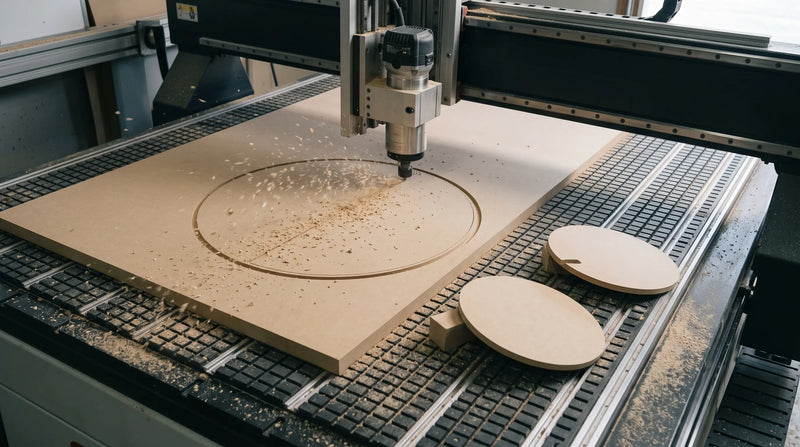 Decision
Not every driver suits a down-fire cabinet, and down-fire is the largest shape at this standard.
Read the guide Decision
Choosing the driver first, which is the decision this whole build standard hangs on.
Read the guide Explainer
Why cutting to one driver only works if the machine holds tolerance.
Read the guide Decision
What changes between the two alignments inside this standard, with the cabinet numbers from our listings.
Read the guideIt is the build standard for a cabinet cut to one driver. Net volume comes from that model published Thiele-Small parameters rather than from a size class, on a 1.5 inch double front baffle with the bracing that implies. The product page names the subwoofer each cabinet was designed around.
A universal cabinet takes any driver of the right size and mounting depth and is cut to a volume range. A Performance Optimized cabinet is cut to one model, so the volume, the cutout and the alignment are set for that driver. Universal is the right answer when the driver is not decided; Performance Optimized is right when it is.
It will usually physically mount if the cutout matches, and it will usually be the wrong volume. Two drivers of the same nominal size can want net volumes that differ by half a cubic foot. You would not damage anything, but you would give up the alignment you paid for.
Because a cabinet cut to a specific driver is usually being cut to a specific space as well, and those spaces are more often solved by a down-fire or a wedge than by a plain box. It is not a judgement about which shape sounds better; all three are solved to the same alignment for a given driver.
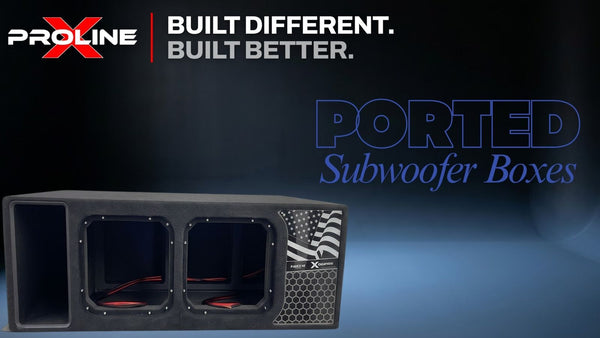
The sealed cabinets do. Every sealed cabinet we build ships with polyfill already installed and the quoted volume was calculated with it in place, so you do not need to add any and you should not remove it. The ported cabinets ship dry on purpose: damping material changes the volume the port is tuned against, and the ported wedges and ported down-fires are a large part of this standard.
Tell us the model and the space you have. We run the routers ourselves in Tullahoma, so a different net volume or a different cutout is a phone call rather than a special order.
Related Collections
Browse curated picks that work with the products above.

Proline X
$ 219.99

Proline X
$ 249.99

Proline X
$ 249.99

Proline X
$ 249.99
Related Collections
Browse curated picks that work with the products above.
Proline X
$ 169.99
Proline X
$ 179.99
Proline X
$ 259.99
Proline X
$ 259.99
Related Collections
Browse curated picks that work with the products above.
Proline X
$ 129.99 $ 159.99
Proline X
$ 129.99
Proline X
$ 159.99 $ 179.99
Proline X
$ 169.99 $ 179.99
Last updated September 4, 2026