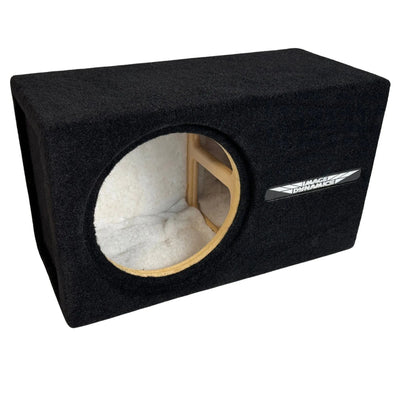
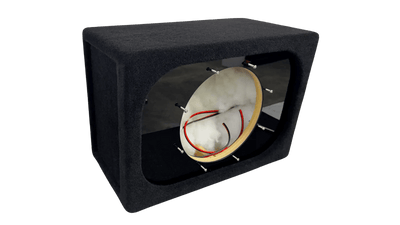
Professional Series Sealed 10" Enclosure | Image Dynamics IDMAX10 V4
$ 253.99
$ 279.99
9% OFF
In stock and ready to ship!
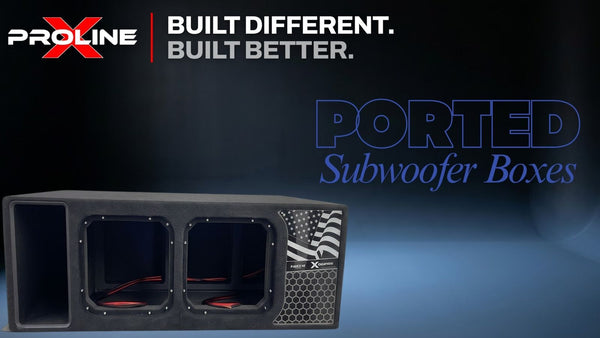
DetailsPorted reference cabinets on a triple 2.25 in baffle, CNC-cut in Tullahoma, Tennessee.

Where the cabinet is the point
Professional cabinets in stock | ported by default, tuning stated per cabinet | triple 2.25 in baffle, flush-mounted woofer | port checked at 1.5x rated power | 2 year warranty
Decision Shortcut
Curated picks matched to common build goals
Best Pro for JL Audio W7
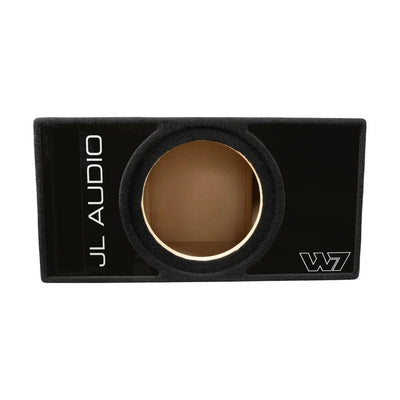
Proline X
Built for the JL Audio 12W7. Double-layer baffle, threaded inserts matched to W7 bolt pattern, calculated for W7 Thiele-Small parameters.
$ 501.99
View DetailsBest Pro for Image Dynamics IDMAX
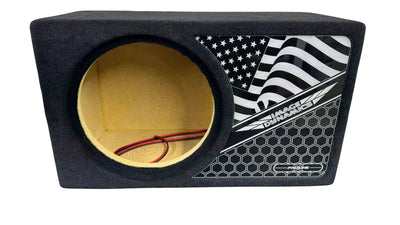
Proline X
Sealed Professional Series for the Image Dynamics IDMAX 12. SQL-grade build with double-baffle construction and threaded inserts.
$ 280.99
View DetailsBest Pro for Kicker Solo X
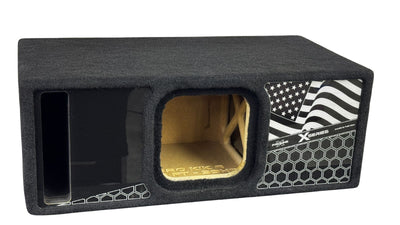
Proline X
Fits the Kicker Solo X 12. Driver not sold here, but the enclosure is built to Solo X parameters with double-baffle support for the driver's high-excursion behavior.
$ 570.99
View DetailsBest Pro Compact
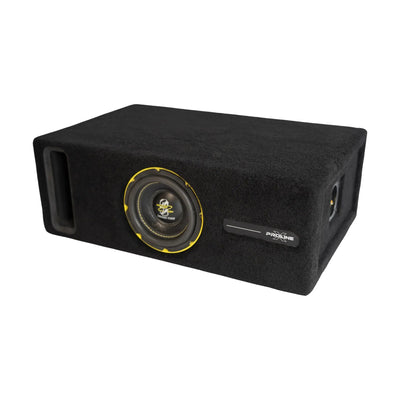
Proline X
Ported 6.5 inch Professional Series enclosure for compact builds where output and footprint both matter.
$ 262.99
View Details
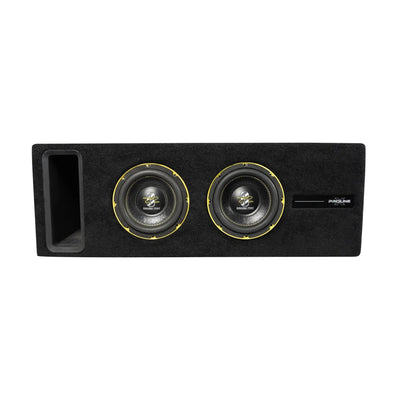
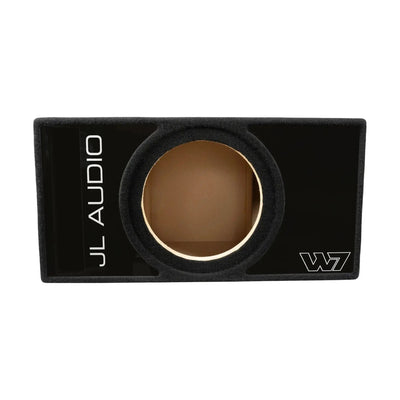
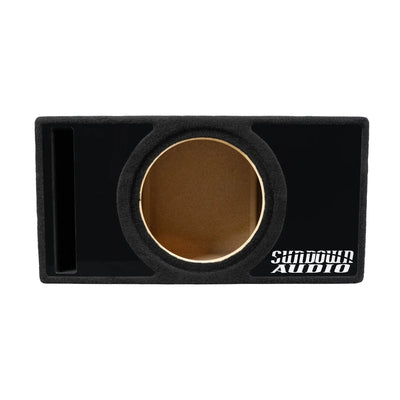
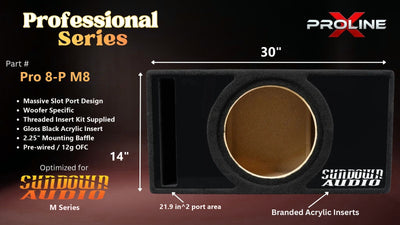


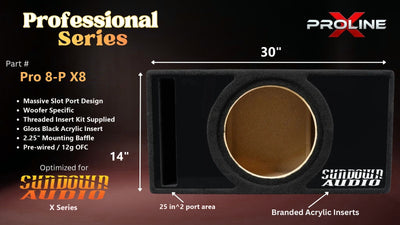


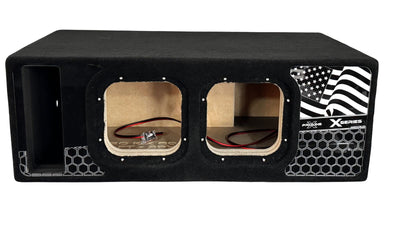

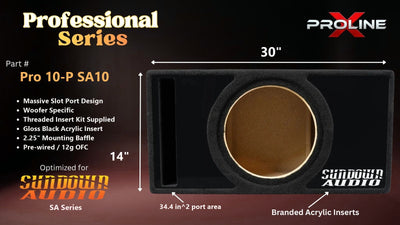

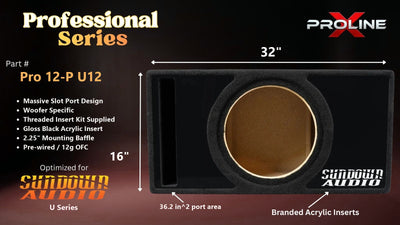
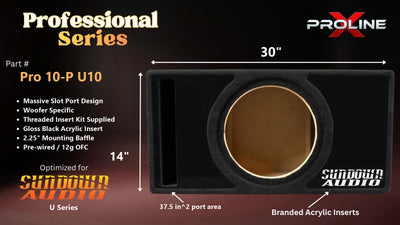


These two standards are often compared and they are not competing. One is cut to a driver on a triple 2.25 inch baffle inside the Professional envelope; the other is cut to a driver on a 1.5 inch double baffle inside a trunk-sized envelope.
| Professional | Performance Optimized | |
|---|---|---|
| Usual alignment | Ported by default; sealed for reference drivers | Sealed or ported, solved per driver |
| Front baffle | Triple 2.25 in, woofer flush in the outer layer | 1.5 in double |
| Threaded inserts | On the published bolt circle, else a kit ships | Where the bolt pattern is on hand |
| Acrylic | Brand-logo acrylic standard | Optional insert |
| Cabinet size | Up to the largest cabinet we cut: a dual 15 runs 46.5 inches wide | Trunk envelope |
| Shipping | Parcel included to 105 lb, freight above | Parcel included |
| Best for | Output, and drivers built to take that loading | Accuracy, and the widest driver choice |
| Warranty | 2 year limited | 1 year limited |
Shared across every row: Langboard Elite MDF cut on ShopSabre routers in Tullahoma, Tennessee. Plush black carpet. A Proline X ABS and carbon fibre composite terminal cup with stainless hardware, pre-wired in 12-gauge OFC. Construction method varies by series and is stated on each product page.
A port too small for the excursion the driver is rated to will make audible noise at volume, and no tuning afterwards removes it. Port area at this standard is sized for the excursion rather than for a convenient number, which is part of why the cabinets are as large as they are.
The dual 15 in this line runs ten cubic feet net. That is not a space you find in a vehicle, it is one you plan the build around. Published external dimensions and shipped weight are on every listing, and they are the first thing to check, not the last.
Most of this standard. Port area sized for the excursion the driver is rated to and port length cut to a stated tuning, for drivers whose parameters put them in ported territory.
Read the tuning
A smaller group, for reference drivers where accuracy rather than output is the point. The same construction standard, a different alignment.
Polyfill pre-installed
A triple 2.25 inch baffle with the woofer flush-mounted in the outer layer, a brand-logo acrylic on every cabinet, and threaded inserts on the published bolt circle; where none is published, an insert kit ships with the box.
2 year limited warranty
Baffle thickness and construction method vary by series. Each product page states how that cabinet is built and, where it is driver-matched, which model it was cut for.
Supporting guides to help you design, build, and tune your system.
 Application
Check the port area a high-excursion driver needs, which is what sizes these cabinets.
Read the guide Application
Work out the tuning frequency that suits your driver before you pick a cabinet that is cut to one.
Read the guide Explainer
How port length, area and net volume interact to set the tuning this standard is built around.
Read the guide Explainer
What a bandpass alignment does differently, if you are weighing it against a large ported box.
Read the guide Application
Match the amplifier honestly to a driver this standard was built for.
Read the guide Decision
The measured case for ported over sealed, which is why this standard inverts the rest of the range.
Read the guideConstruction and intent. A triple 2.25 inch baffle with the woofer flush-mounted in the outer layer, a glossy black brand-logo acrylic insert standard on every cabinet, threaded inserts on the driver's published bolt circle or an insert kit where it isn't published, and port area and velocity checked at 1.5 times the driver's rated power rather than for convenience. Most Professional cabinets run ported; a few sealed builds exist for reference drivers where control is the point.
Because the drivers this standard exists for are built for output, and their published parameters put them in ported territory. A sealed cabinet would cost a significant part of what they can do. A few sealed builds exist here as well, for reference drivers where control is the point.
More than most people plan for. A ported cabinet holds the net volume the alignment needs plus the port, and net volumes at this standard reach ten cubic feet. Published external dimensions are on every listing. Check them before you commit to the driver.
We do not recommend it. Port length and area are cut to produce a specific tuning for a specific driver, and altering either leaves you with an alignment nobody designed. If you want a different tuning, tell us and we will cut it.
Performance Optimized is cut to one driver on a 1.5 inch double baffle, sealed or ported inside a trunk-sized envelope. Professional Series adds a triple 2.25 inch baffle with the woofer flush-mounted in the outer layer and standard brand-logo acrylic, and covers drivers whose alignment will not fit the Performance Optimized envelope on height, depth or width. Both are cut to the driver's published parameters; Professional carries a 2 year warranty against Performance Optimized's 1 year, and a Professional cabinet over 105 pounds ships freight instead of parcel.
They need an honestly matched one. Work from the driver RMS at your final wired impedance rather than from peak figures, and confirm your electrical system supports the current draw before ordering.
Related Collections
Browse curated picks that work with the products above.
Proline X
$ 149.99
Proline X
$ 169.99
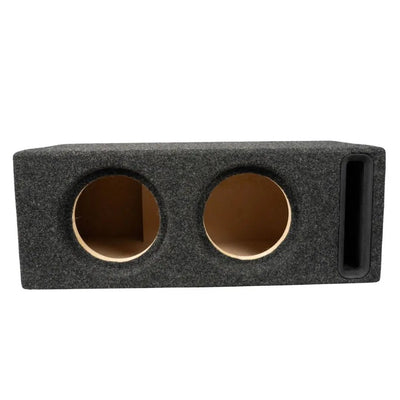
Proline X
$ 179.99
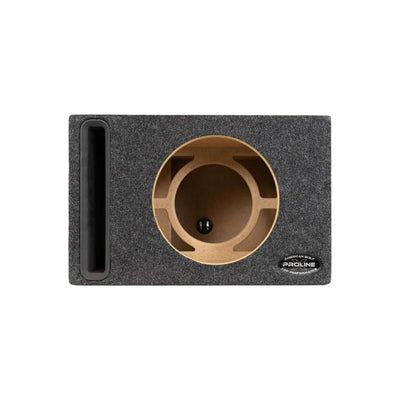
Proline X
$ 199.99
Related Collections
Browse curated picks that work with the products above.
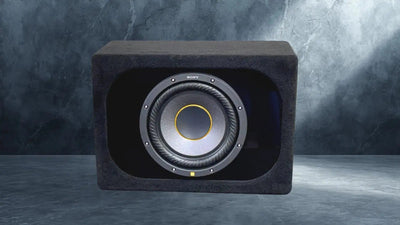
Proline X
$ 199.99
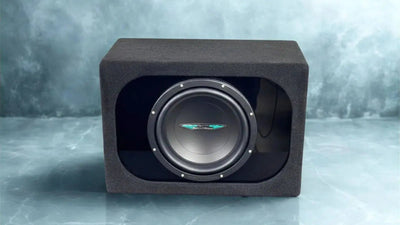
Proline X
$ 229.99
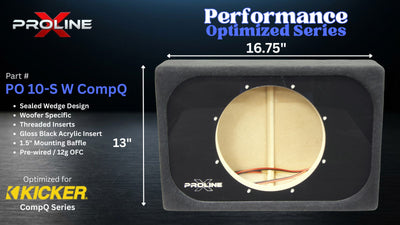
Proline X
$ 229.99
Proline X
$ 229.99
Related Collections
Browse curated picks that work with the products above.
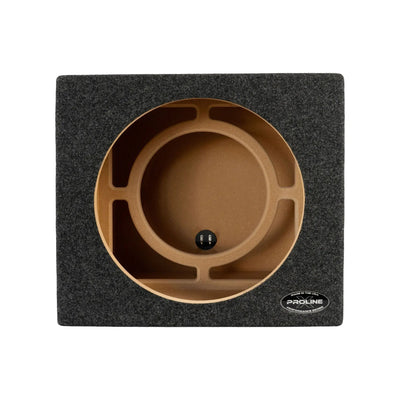
Proline X
$ 219.99
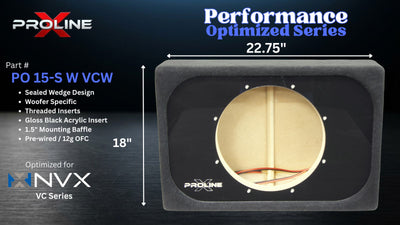
Proline X
$ 309.99
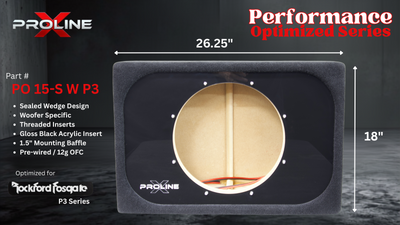
Proline X
$ 329.99

Proline X
$ 329.99
Last updated September 6, 2026