

PREMIUM CAR SPEAKERS
Component and coaxial speakers engineered for superior automotive sound, delivering superior sound quality with enhanced frequency response

Free Shipping

Award Winning Products

Expert Support

30-Day Money Back Guarantee
Quick Decision Guide
| Your Priority | Best Choice | Why This Works | Installation | Budget Range | Sound Quality |
|---|---|---|---|---|---|
|
Best Sound Quality
|
Component | Separate drivers optimize each frequency | Complex | $200-$1500+ | Excellent |
|
Easy Upgrade
|
Coaxial | Drop-in factory replacement | Simple | $50-$400 | Very Good |
|
Budget Friendly
|
Coaxial | All-in-one design reduces cost | DIY Friendly | $50-$200 | Good |
|
Custom Install
|
Component | Flexible tweeter placement | Professional | $300-$2000+ | Outstanding |
|
Quick Results
|
Coaxial | Immediate improvement, no wiring changes | 30 minutes | $80-$300 | Very Good |
🏆 Component Speakers
The Audiophile Choice
✅ Component Speaker Advantages:
- 🎯 Superior Sound Quality: Separate woofer and tweeter optimize frequency response
- 🎛️ Flexible Installation: Mount tweeters in optimal locations (A-pillars, dash, doors)
- 🔧 Professional Tuning: External crossovers provide precise frequency control
- 🏆 Upgrade Path: Can add amplifiers and advanced tuning later
- 🎵 Soundstage: Creates wider, more realistic stereo imaging
⚠️ Component Speaker Considerations:
- Installation Complexity: Requires running tweeter wires and mounting locations
- Higher Cost: More components mean higher price point
- Professional Install Recommended: Best results need proper tweeter placement
- Space Requirements: Need room for crossovers and separate drivers
🎯 Perfect For:
Serious audio enthusiasts, custom car audio builds, users planning amplifier and frequency response upgrades, and those wanting maximum sound quality can benefit from professional installation options.
🚗 Coaxial Speakers
The Smart Upgrade
✅ Coaxial Speaker Advantages:
- 🚗 Easy Installation: Drop directly into factory speaker locations
- 💰 Cost Effective: Single unit design keeps prices reasonable
- ⚡ Quick Results: Immediate sound improvement in 30 minutes
- 🔌 Factory Compatible: Work perfectly with factory head units
- 🛠️ DIY Friendly: No complex wiring or custom mounting needed
⚠️ Coaxial Speaker Considerations:
- Sound Compromise: Tweeter position fixed by woofer location
- Frequency Interaction: Drivers can interfere with each other
- Limited Soundstage: Less precise stereo imaging than components
- Upgrade Limitations: Harder to fine-tune system later
🎯 Perfect For:
First-time upgraders, budget-conscious buyers, and those looking for factory system improvements with superior sound quality will find simple DIY installation options appealing.
🎯 Find Your Perfect Speaker Type
Question 1: What's Your Primary Goal?
Question 2: Installation Preference?
Question 3: Budget Range?
Shop By Type
Choose the speaker configuration that matches your installation goals
Understanding speaker types is crucial for achieving your desired sound quality. Component systems offer the ultimate in performance with separate drivers optimized for specific frequency ranges, while coaxial speakers provide excellent sound in a convenient all-in-one design. Individual drivers allow for custom system building and targeted upgrades to existing installations.
Separate woofers, tweeters, and crossovers for ultimate sound staging and audiophile performance

Ground Zero GZIC 13X 5″ 2-way component speaker system

Rainbow Audio EL-C260S 6.5" 2-Way Component Speakers Set

Ground Zero GZIC 16X 6.5″ 2-way component speaker system

Image Dynamics ID65CS Component System

AudioCircle Stuttgart Line 6.5" 2-way component speakers

Rainbow Audio EL-C6.2P 2-Way 6.5" Component Set

MATCH MS 52C 5-1/4" Component Speaker System

Eton PRS165.2 2-Way 6.5" Component System

Audio Dynamics 2000 Series 5.25″ Component Set – CS524

Dynaudio Esotan 212 2-Way Component System

Image Dynamics CXS64 V2 6.5” Component Set

Audiocircle Hamburg Line 6.5″ 2-way component speakers

Crescendo REVOLUTION 3S3 3 way speaker system

Crescendo Revolution 5S3 3-way speaker system

Crescendo REVOLUTION 7S3 3 way speaker system
Full-range speakers with integrated tweeters for easy installation and balanced sound

Audio Dynamics ADCX413 4" Coaxial Speaker Set

Eton PRX 110 100 mm (4 inch) coaxial system

Ground Zero GZIF 40X 4″ 2-way coaxial speaker system

Rainbow Audio EL-X165S 2-Way 6.5-inch (165mm) Coaxial Speakers

Audio Dynamics ADCX513 5.25" Coaxial Speaker Set

Audio Dynamics 2000 Series 5.25″ Coaxial Set – CX524

Audiocircle SL-X6 6.5" 2-Way Coaxial Speakers

Arc Audio X2 502 5.25" Coaxial Speaker Set

Audio Dynamics ADCX613 6.5" Coaxial Speaker Set

Audio Dynamics ADCX6914 6x9" Coaxial Speaker Set

Audiocircle FL-X6 6.5" Coaxial Speakers Set

Dynaudio Esotan 212C 2-Way Coaxial Set

Eton PRX 170.2 165 mm (6.5 inch) coaxial system

Eton MB100RX Mercedes 4" Coaxial Plug and Play Upgrade

Arc Audio Moto CX6 6.5" Coaxial Speaker Set

Arc Audio Moto602-HD 6.5" Coaxial Speaker System

Eton MB100PX Mercedes 4" Coaxial Plug and Play Upgrade
High-frequency drivers for upgrading existing systems or custom component builds

Xcelsus XPLT28W – PRIMUM SERIES SQL WAVEGUIDE TWEETER

XCELSUS XUST30W SQL Waveguide Tweeter - Previous Display

Rainbow ML-TW16s AD - Dedicated Automatic Lifting and Ambient Tweeter - Audi

Rainbow ML-TW25C MB - Ceramic Dome Rotating Tweeter for Mercedes-Benz S-Class
Dedicated mid-frequency drivers for advanced multi-way component systems

AudioCircle Hamburg Line 3" Midrange speakers MK II
Powerful low-mid frequency drivers for enhanced bass impact and dynamic range
$19.99
$19.99
$19.99
$19.99
$19.99
$19.99
$19.99
$19.99

Component & Coaxial Options
Complete System Solutions Choose from high-performance component systems with separate crossovers for ultimate sound staging, or premium coaxial speakers for simplified installation without compromising quality.

Proven Reliability
Built for Automotive ExtremesEngineered to withstand temperature fluctuations, humidity, and vibration. Our speakers maintain consistent performance through years of daily driving and extreme conditions.

Multiple Size Options
Perfect Fit for Every Vehicle Available in popular sizes from 3.5" to 6x9" including 5.25", 6.5", and component systems. Our comprehensive sizing ensures optimal performance whether upgrading factory speakers or building custom installations.

Advanced Driver Technology
Precision-Engineered ComponentsOur speakers feature premium materials like aramid fiber woofers, silk dome tweeters, and butyl rubber surrounds. Every component is selected for optimal frequency response and long-term durability in automotive environments.
Shop By Size
Find speakers that fit your vehicle's factory locations perfectly
Speaker size directly impacts both fitment and performance in your vehicle. Larger speakers generally produce deeper bass and higher output, while smaller speakers excel in tight factory locations. Most vehicles use multiple speaker sizes throughout the cabin - smaller drivers in dash locations and larger speakers in doors or rear decks. Choosing the correct size ensures optimal acoustic performance while maintaining proper mounting and clearance.
Compact solutions for dash locations and smaller vehicles
AudioCircle Hamburg Line 3" Midrange speakers MK II
Balanced performance for tight factory locations

Image Dynamics ID4 ID Series 4-inch Coaxial
Audio Dynamics ADCX413 4" Coaxial Speaker Set
Eton PRX 110 100 mm (4 inch) coaxial system
Ground Zero GZIF 40X 4″ 2-way coaxial speaker system
Eton MB100RX Mercedes 4" Coaxial Plug and Play Upgrade
Eton MB100PX Mercedes 4" Coaxial Plug and Play Upgrade
Popular size offering excellent sound quality and wide vehicle compatibility
MATCH MS 52C 5-1/4" Component Speaker System
Audio Dynamics ADCX513 5.25" Coaxial Speaker Set
Arc Audio X2 502 5.25" Coaxial Speaker Set
Audio Dynamics 2000 Series 5.25″ Component Set – CS524
Audio Dynamics 2000 Series 5.25″ Coaxial Set – CX524
Ground Zero GZIC 13X 5″ 2-way component speaker system
Oval format speakers for specific factory applications and rear deck installations
$19.99
$19.99
$19.99
$19.99
$19.99
$19.99
$19.99
$19.99
The enthusiast favorite - optimal balance of performance and fitment

Image Dynamics ID65 ID Series 6.5 inch Coaxial
Rainbow Audio EL-X165S 2-Way 6.5-inch (165mm) Coaxial Speakers
Rainbow Audio EL-C260S 6.5" 2-Way Component Speakers Set
Audiocircle SL-X6 6.5" 2-Way Coaxial Speakers
Ground Zero GZIC 16X 6.5″ 2-way component speaker system
Image Dynamics ID65CS Component System
Audio Dynamics ADCX613 6.5" Coaxial Speaker Set
Audiocircle FL-X6 6.5" Coaxial Speakers Set
AudioCircle Stuttgart Line 6.5" 2-way component speakers
Eton PRS165.2 2-Way 6.5" Component System
Rainbow Audio EL-C6.2P 2-Way 6.5" Component Set

Triton SX6D4 6.5" Dual 4-Ohm Subwoofer
Dynaudio Esotan 212 2-Way Component System
Eton PRX 170.2 165 mm (6.5 inch) coaxial system
Image Dynamics CXS64 V2 6.5” Component Set

Xcelsus XP6.2 6.5" 2-way Component Set
Audiocircle Hamburg Line 6.5″ 2-way component speakers
Arc Audio Moto CX6 6.5" Coaxial Speaker Set
Arc Audio Moto602-HD 6.5" Coaxial Speaker System
Crescendo REVOLUTION 3S3 3 way speaker system
Crescendo Revolution 5S3 3-way speaker system
Maximum output for rear deck installations and larger vehicles

Image Dynamics ID69 ID Series 6x9 inch Coaxial
Audio Dynamics ADCX6914 6x9" Coaxial Speaker Set

Cicada CH69.4 6×9″ Coaxial Horn Speakers
High-output drivers for serious bass impact and dynamic range in larger installations
$19.99
$19.99
$19.99
$19.99
$19.99
$19.99
$19.99
$19.99
Hear From Car Audio Enthusiasts Who Trust Audio Intensity
What People Are Saying
Review Stats Header:
⭐⭐⭐⭐⭐ 4.85/5 Average Rating • 856+ Reviews • 97% Recommend Audio Intensity
- Chris Rodriguez, Phoenix, AZ
"Been building car audio systems for 15 years and these component speakers are exceptional. The crossovers are properly engineered, tweeters are smooth without harshness, and the midbass drivers have incredible punch. Sound staging rivals speakers costing twice as much. Customer service helped me choose the perfect setup for my Camaro."

- Sarah Kim, Seattle, WA
"Upgraded my Honda Accord with Dynaudio 6.5" component speakers and I'm blown away. The sound clarity is incredible - I'm hearing details in my favorite songs I never noticed before. The silk dome tweeters deliver crisp highs without fatigue during long drives. My daily commute has become my favorite listening time."

- Jennifer Walsh, Atlanta, GA
"With three kids, our Suburban needed speakers that could handle everything from Disney soundtracks to my husband's metal music. Rainbow Audio coaxials deliver clean sound at any volume without distortion. Two years of family road trips and they still sound perfect. Best upgrade we've made to the vehicle."

- Robert Thompson, Nashville, TN
"Restoring a '69 Mustang and needed speakers that matched the car's character. Image Dynamics vintage-inspired 6x9" speakers were perfect. They handle classic rock beautifully and the build quality feels like they'll last another 50 years. The customer service team helped me choose components that fit in the kicks perfectly."

Related Products
Complete Your Car Audio System
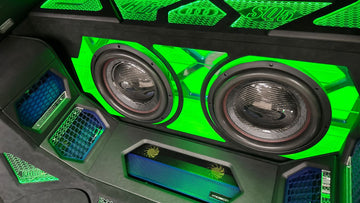
System Upgrades
Complete Audio Packages Professionally matched speaker and amplifier combinations
Component System Packages - Speakers, amplifiers, and installation accessories Full-Range Upgrade Kits - Complete front/rear speaker replacement solutions Custom Installation Services - Professional setup for optimal performance
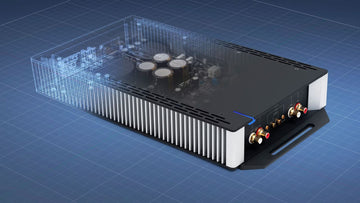
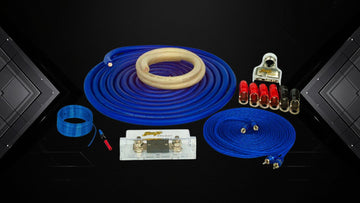
Master the Science Behind Superior Automotive Sound
All About Car Speakers
Choosing the right car speakers transforms your daily drive into an immersive audio experience.At Audio Intensity, we don't just sell speakers – we provide the knowledge you need to make informed decisions. Whether you're upgrading from factory speakers or building a complete audiophile system, understanding these fundamentals will elevate your car audio game.
🔊 Component vs Coaxial: The Complete Guide
Understanding the fundamental differences and when to choose each type
Discover why component systems deliver superior sound staging and when coaxial speakers are the perfect choice for your installation.
📐 Speaker Sizing and Fitment Guide
Matching the right speaker size to your vehicle and listening goals
Learn how speaker size affects performance and ensure perfect fitment for your specific vehicle model.
⚡ Power Handling and Amplifier Matching
Optimizing speaker and amplifier combinations for maximum performance
Master RMS vs peak power ratings and discover how proper matching delivers clean, dynamic sound.
🎯 Installation Best Practices
Professional techniques for optimal speaker performance
Learn placement strategies, wiring techniques, and sound dampening methods that separate amateur from professional results.
🔧 Tweeter Types and Materials
Understanding dome materials and their impact on sound quality
Explore silk, metal, and ceramic tweeter technologies and their unique sonic characteristics.
📊 Frequency Response and Sound Staging
Creating the perfect acoustic environment in your vehicle
Understand crossover design, driver placement, and acoustic principles that create lifelike sound reproduction.

Get Answers to Your Car Speaker Questions
Frequently Asked Questions
What's the difference between component and coaxial speakers?
Component speakers use separate woofers, tweeters, and crossovers for superior sound staging and audiophile performance. Coaxial speakers combine all drivers in one unit for easier installation while still delivering excellent sound quality. Components are ideal for serious listening, while coaxials offer great performance with simpler installation.
How do I know what size speakers fit my vehicle?
Check your owner's manual, measure existing speakers, or use our vehicle compatibility guide. Most cars use multiple sizes - typically smaller speakers (3.5"-5.25") in dash locations and larger speakers (6.5"-6x9") in doors or rear deck. We provide fitment information for popular vehicle models.
Can I mix different speaker brands in my car?
While possible, we recommend using speakers from the same manufacturer for consistent sound signature and tonal balance. Mixing brands can create uneven frequency response and poor sound staging across your vehicle's cabin.
Are car speakers difficult to install?
Most coaxial speakers are straightforward replacements requiring basic tools. Component systems are more complex, involving separate tweeter mounting and crossover installation. We provide detailed installation guides, and professional installation is recommended for component systems.
Do I need an amplifier for aftermarket speakers?
While aftermarket speakers will improve sound over factory units even with factory power, adding an amplifier significantly enhances performance. Amplifiers provide cleaner power, better dynamics, and allow speakers to reach their full potential.
What's the difference between peak and RMS power ratings?
RMS (Root Mean Square) represents continuous power handling - the real-world power a speaker can handle safely. Peak power is a marketing number representing short bursts. Always match RMS ratings when selecting amplifiers and speakers.
Why do some speakers sound harsh or bright?
Harshness usually results from poor tweeter quality, incorrect crossover points, or installation positioning. Our speakers use premium silk dome tweeters and properly engineered crossovers to deliver smooth, natural high frequencies without fatigue.
How can I improve bass response without a subwoofer?
Choose larger speakers (6.5" or 6x9") with quality midbass drivers, ensure proper speaker enclosure (sealed door panels), and add sound dampening to reduce vibrations. However, dedicated subwoofers are still the best solution for deep bass extension.
What causes speaker distortion?
Distortion typically comes from overpowering speakers, poor amplifier quality, or damaged drivers. Our speakers are designed with robust power handling and high-quality components to minimize distortion even at higher volumes.
Related Articles
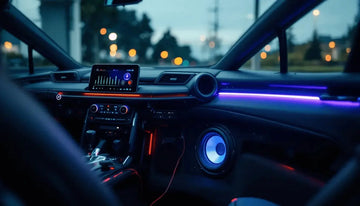
Loudspeakers for Cars: Complete Guide to Upgrading Your Vehicle’s Audio System
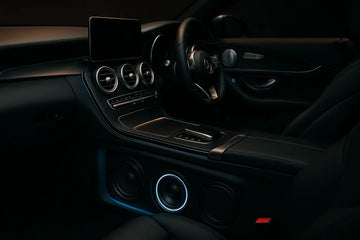
Best Car Sub and Speakers for Every Budget in 2025
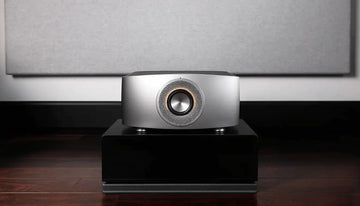
Best Focused Speaker Technology for Superior Sound Precision
