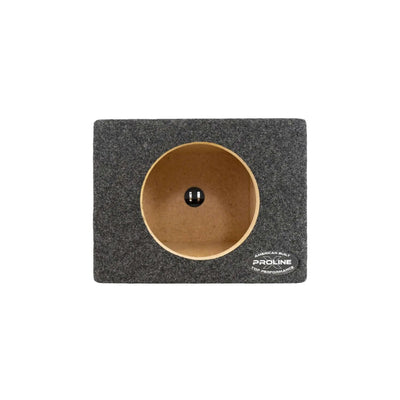
Closeout
Proline X P8-S | Single 8" Sealed Subwoofer Enclosure | V2
$ 94.00
Only 2 Left
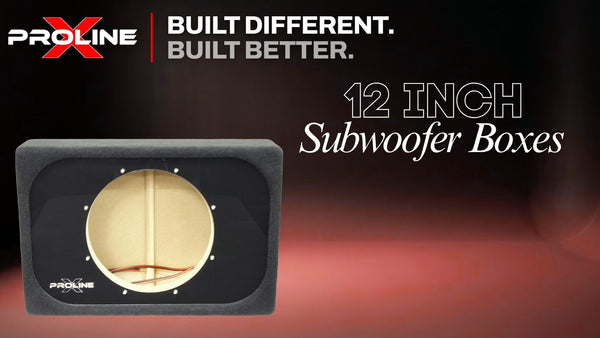
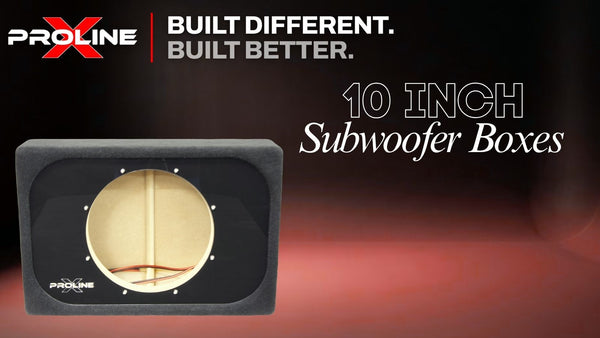
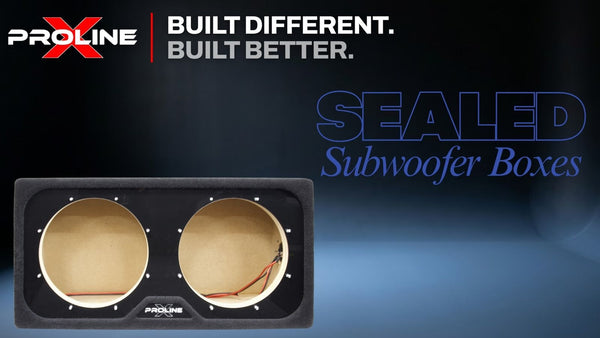
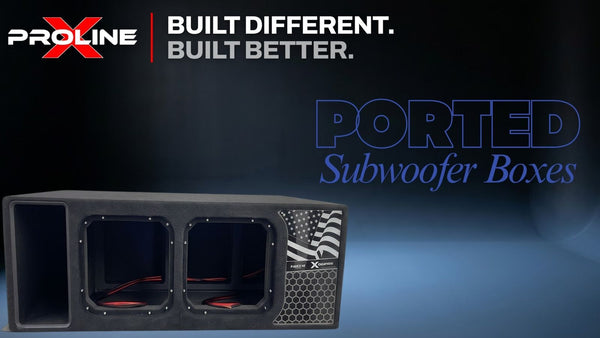
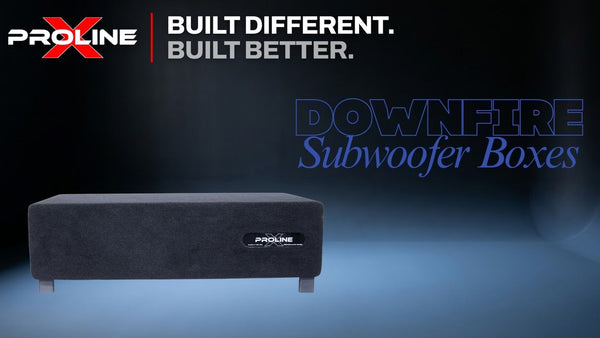
DetailsSealed, ported, wedge and down-fire boxes from 6.5 to 15 inch. CNC cut in Tullahoma. Made in the USA.

WOOFER SPECIFIC OR UNIVERSAL
6.5 to 15 inch · sealed, ported, wedge, down fire · $94 to $1,899.99 · cut in Tullahoma
Decision Shortcut
Curated picks matched to common build goals
Best for SQ
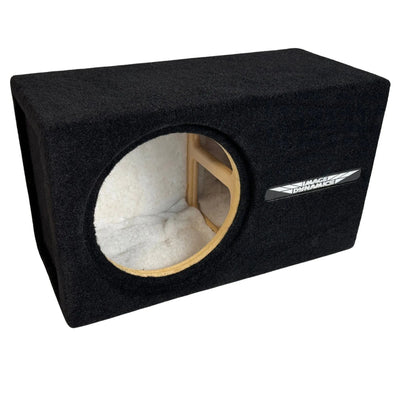
Proline X
Driver-specific sealed box for the Image Dynamics IDMAX 10 V4. Double-layer baffle, tuned to the driver for tight, accurate bass.
$ 249.99 $ 279.99
View DetailsBest High-Output
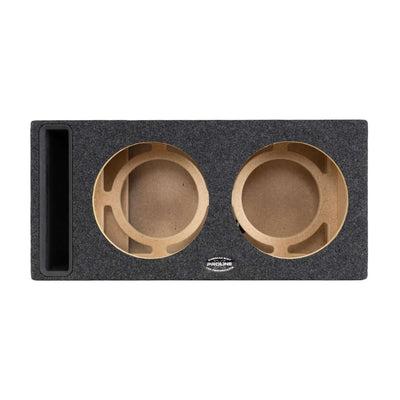
Proline X
Dual 12 ported enclosure for maximum efficient output. V-groove and dado joinery in Langboard Elite MDF.
$ 269.99
View DetailsBest for Tight Spaces
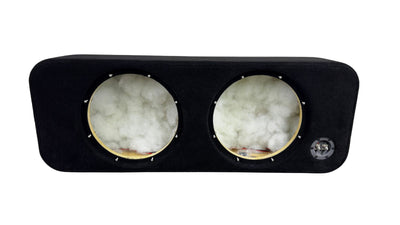
Proline X
Micro Series stack-fab enclosure for shallow, under-seat, and behind-seat installs where mounting depth is tight.
$ 349.99
View DetailsBest Value
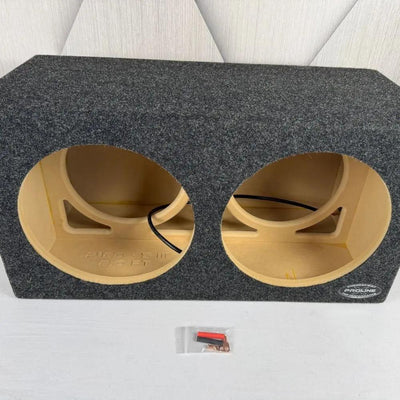
Proline X
Dual 12 sealed enclosure that covers most builds. Accurate, controlled bass, prewired and ready to drop in.
$ 219.99
View Details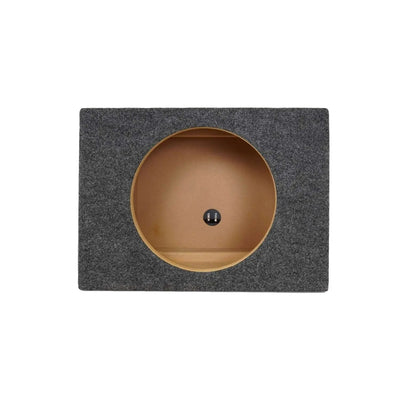
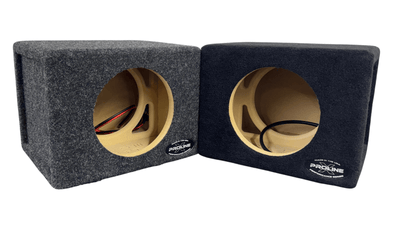
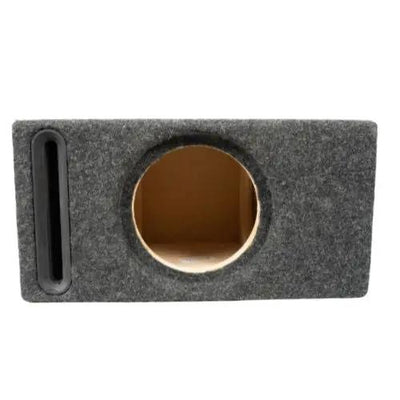
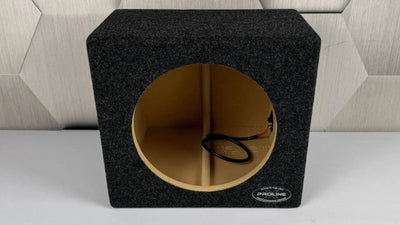
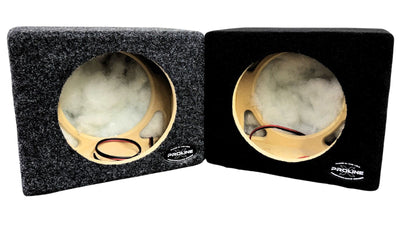
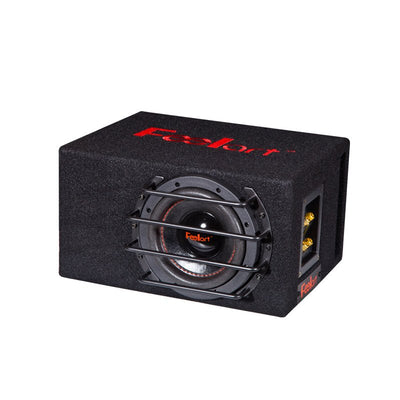
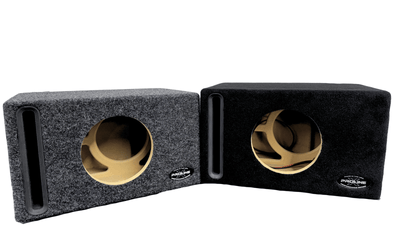
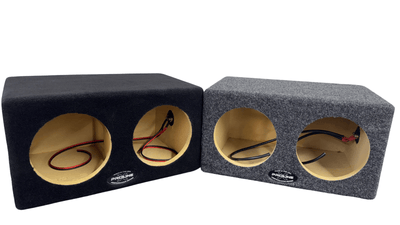
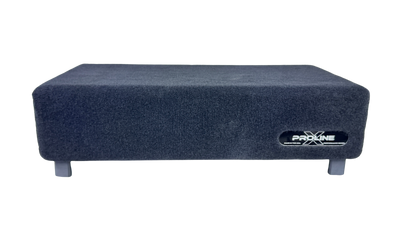
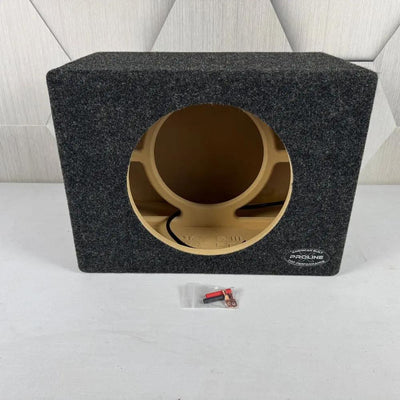
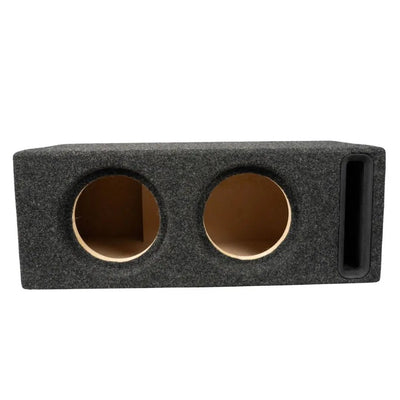
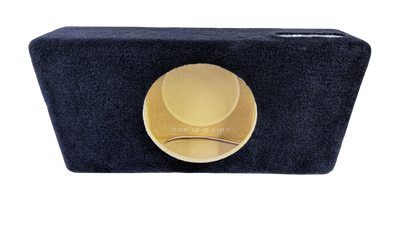
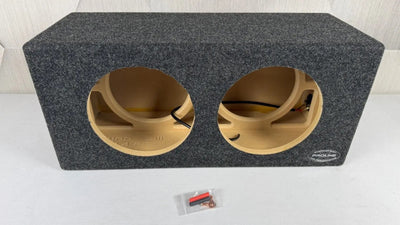
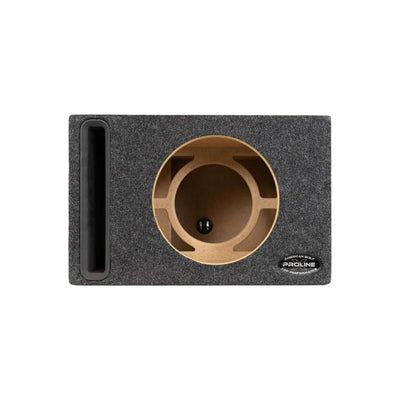
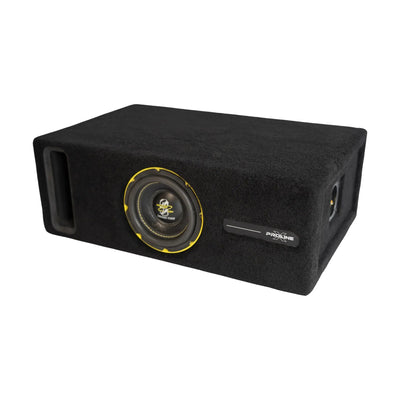
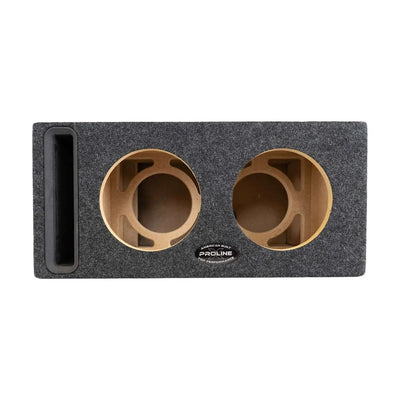

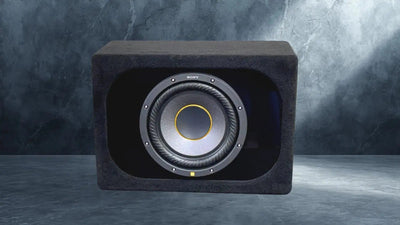
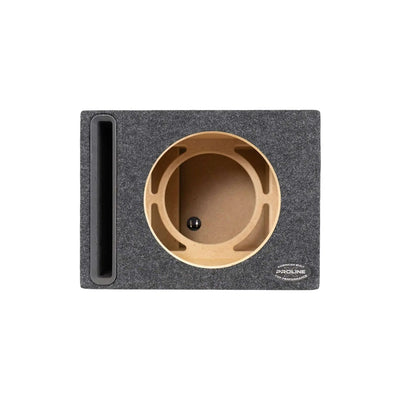
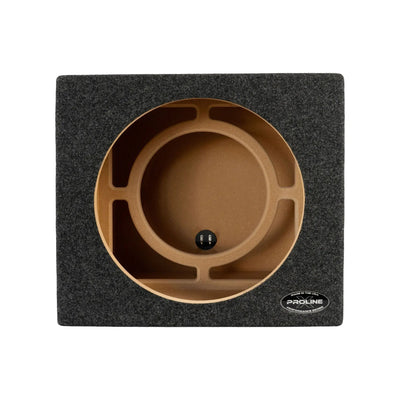

The P-series covers sealed, ported, wedge and down-fire in every size from 6.5 to 15 inch. Cut from the same MDF and braced the same way as everything else here, sized to suit the broad middle of each driver class. The right answer if you swap subwoofers often or have not chosen one yet.
Performance Optimized, Micro, Professional and X Series enclosures are cut to a named subwoofer's published parameters rather than to a nominal diameter. Built for Arc Audio, JL Audio, Image Dynamics, ResoNix, Wavtech, Morel, Hertz, Rockford Fosgate, Alpine, Kicker, Prodigy and more.
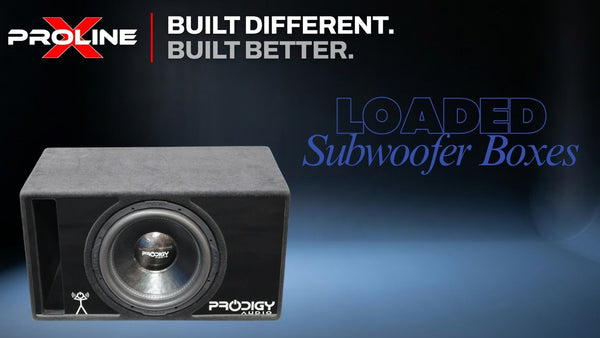
The enclosure with the subwoofer already installed and wired to a terminal cup. Matched, tested and finished before it ships, so the install is a mounting job and a wire run rather than an afternoon of measuring.
Cut to the factory dead space in a specific model year range. F-150 and F-250 behind-seat, Bronco and Tacoma. These cost no usable cargo room, which is why they exist.
Fitment is model-year specific. A 2015 to 2023 box will not fit a 2024 truck.
Every enclosure is cut before it is listed, so the count shown on each product is a real rack count rather than a build estimate.
Supporting guides to help you design, build, and tune your system.
 Explainer
Qts and EBP decide the alignment before taste does. Worked examples, group delay in real numbers, and what cabin gain changes.
Read the guide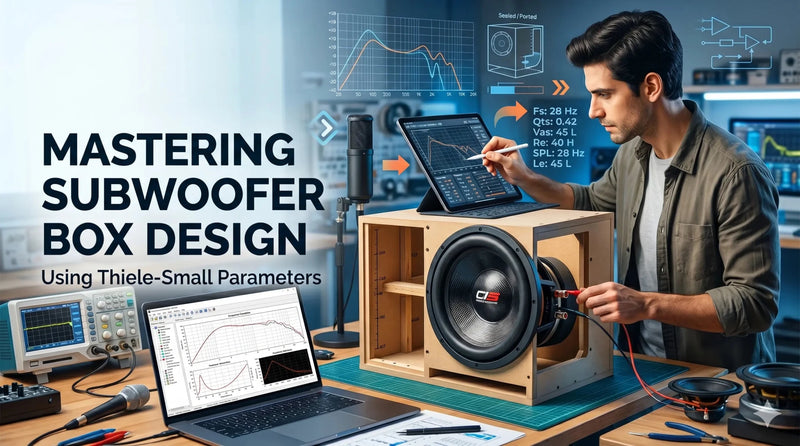 Explainer
Why Vas sets the net volume, where Qts and EBP take over, and what happens when the spec sheet and the recommended box disagree.
Read the guide Decision
Net volume, baffle thickness, joinery, and the cutout versus bolt circle question, then five builds sorted by use case.
Read the guide Decision
What cutting tolerance does to internal volume and tuning, and the cases where a hand-built box is still the right call.
Read the guide Application
Airspace by vehicle class, why truck cab configuration changes everything, and when two smaller drivers beat one large one.
Read the guide Application
Assess the tuning you have, pick a target frequency, then change port area and length to hit it. Verify before you lock it in.
Read the guideA sub box is the sealed or ported enclosure a car audio subwoofer mounts into. It is not a housing, it is an acoustic component: the internal volume, the port tuning and the panel stiffness together determine how low the system plays, how loud it gets and how much power the driver can take. The same subwoofer in two different boxes measures differently.
In raw material, yes. A sheet of MDF and a router bit costs less than a finished enclosure. In practice the gap closes fast: you need accurate volume calculation for your specific driver, a way to cut square panels repeatably, mechanical joinery rather than butt joints, bracing, sealing, and a finish that survives a car. Audio Intensity cuts on a CNC to the driver's published parameters, which is the part that is hard to reproduce with a circular saw.
Audio Intensity enclosures run from $94 for a single 8 inch sealed box to $1,799.99 for a loaded dual 12 inch system with the subwoofers installed. A universal P-series box in the most common sizes sits between $129.99 and $269.99. Enclosures cut to a specific driver start around $199.99.
Neither, they do different jobs. Sealed boxes are smaller, roll off gently, and give the tightest transient response, which is why sound quality builds run sealed. Ported boxes are larger and produce more output at and above the tuning frequency, trading some control for volume. Choose sealed for accuracy and ported for output.
A ported enclosure tuned near the driver's resonance will produce the highest output for a given amount of power, which is what most people mean by hitting hard. That output comes with a steeper rolloff below tuning and less control on transients. A larger ported box tuned lower will play deeper but feel less aggressive in the midbass.
Not always. If you swap subwoofers often, or have not chosen one yet, a universal P-series box is the right answer. If you already own the driver and want everything it is capable of, an enclosure cut to its published parameters will outperform a nominal box of the same external size on extension, power handling and cone control.
Drivers Built to Match
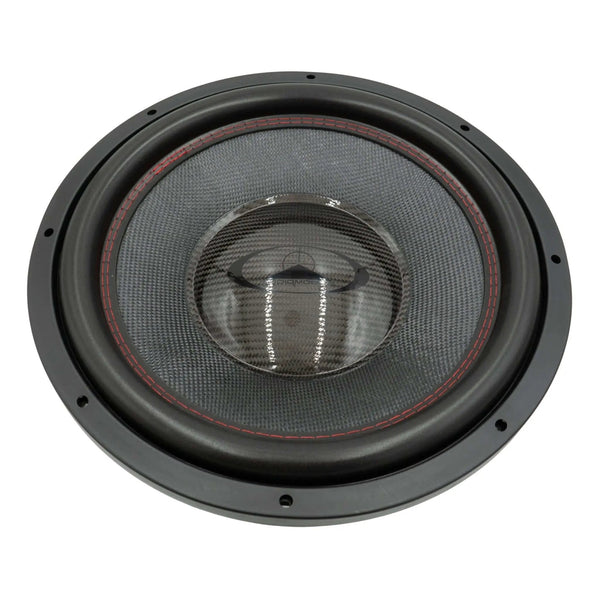
The drivers below are matched to the enclosures above by Thiele-Small parameters. Buying together guarantees the alignment, port tuning, and damping work the way the engineering intended.
Amplifiers for the System
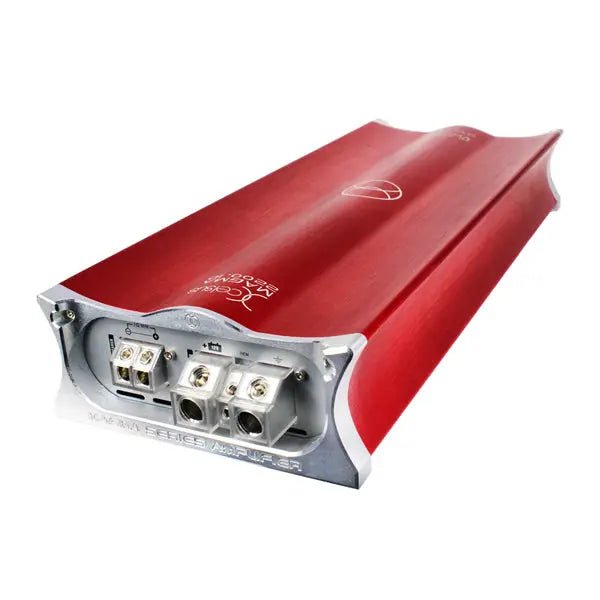
Monoblock amplifiers matched to the power requirements of the drivers these enclosures are built for. Buy the enclosure, match the driver, pick the right amplifier.
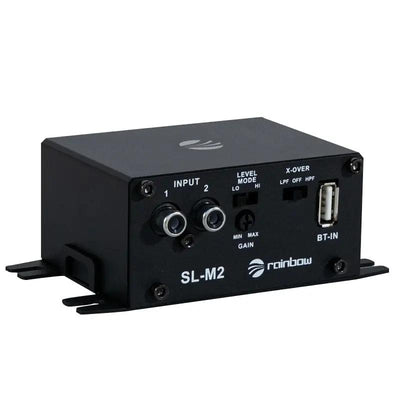
Rainbow
$ 89.99 $ 549.99
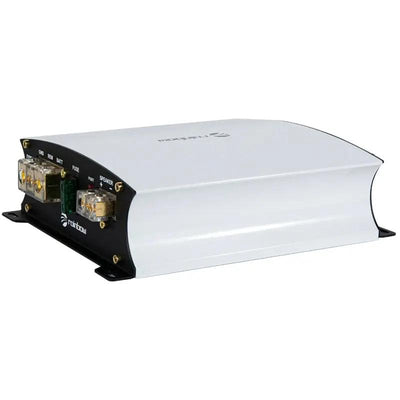
Rainbow
$ 89.99 $ 399.99
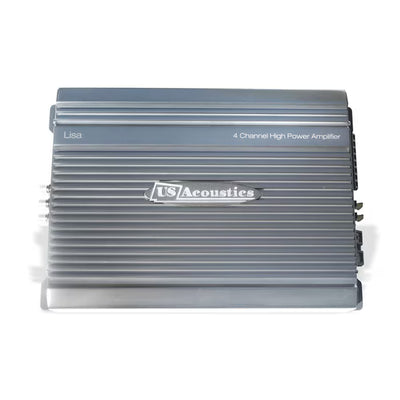
US Acoustics
$ 159.99
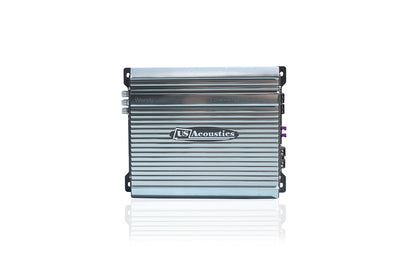
US Acoustics
$ 159.99
Last updated August 23, 2026