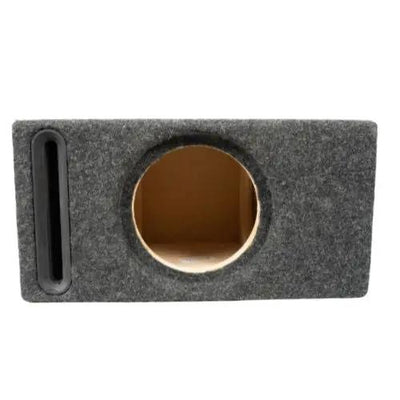
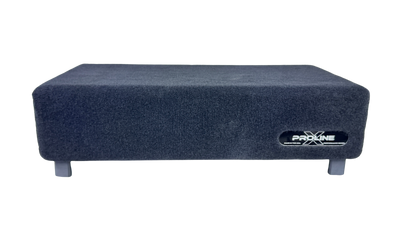
Proline X P6-P | Single 6.5" Ported Subwoofer Enclosure | V3
$ 149.99
In stock and ready to ship!
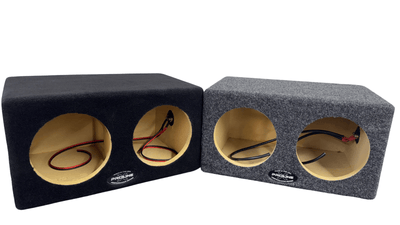
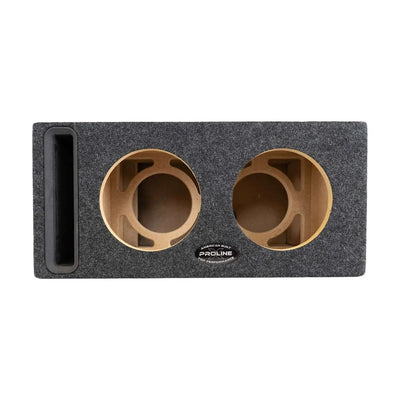
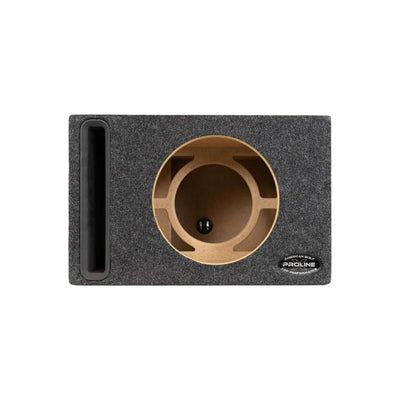
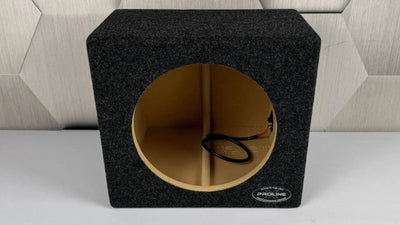
DetailsPorted 6.5 inch cabinets on a universal cutout, CNC-cut in Tullahoma, Tennessee.

Compact ported enclosures
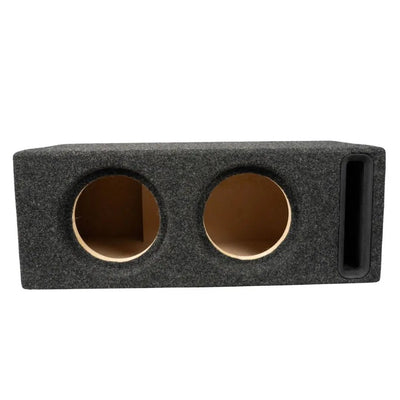
Ported 6.5 inch cabinets | universal cutout | single and dual | Performance and Professional Series | cut in Tullahoma
All products loaded
Both build standards use the same universal cutout and the same ported alignment. What changes is baffle thickness and how much bracing the cabinet carries, not which drivers it takes.
| Series | Front baffle | Construction | Cutout | Best for |
|---|---|---|---|---|
| Performance | 0.75 in single | V-groove and dado joinery | Universal | The lowest entry point into a properly cut ported 6.5 |
| Professional | Double or triple | Heavier baffle and internal bracing | Universal | A cabinet that will be seen, or worked hard |
Shared across every row: Langboard Elite MDF cut on ShopSabre routers in Tullahoma, Tennessee. Plush black carpet. A Proline X ABS and carbon fibre composite terminal cup with stainless hardware, pre-wired in 12-gauge OFC. Construction method varies by series and is stated on each product page.
These cabinets are cut to a standard 6.5 inch cutout and a volume range rather than to one driver. That is deliberate at this size: driver choice moves quickly and a universal cutout means the cabinet outlives it. Check the mounting depth on the listing against the driver you have in mind.
A sealed alignment trades output for control, and a driver this small has little output to give up. Ported recovers efficiency around the tuning frequency, which is where a 6.5 needs it. If you want sealed at a small size, an eight inch sealed cabinet is the better answer.
A single 3/4 inch baffle with V-groove and dado joinery and a universal cutout, so no driver-specific tooling is involved. This is where the 6.5 inch line starts.
Universal cutout
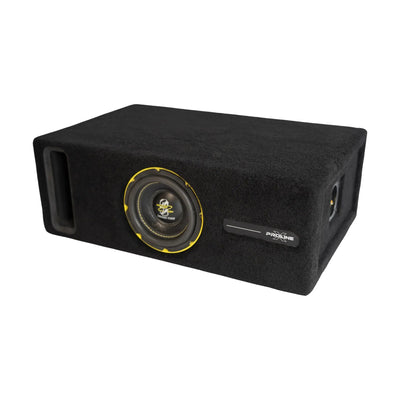
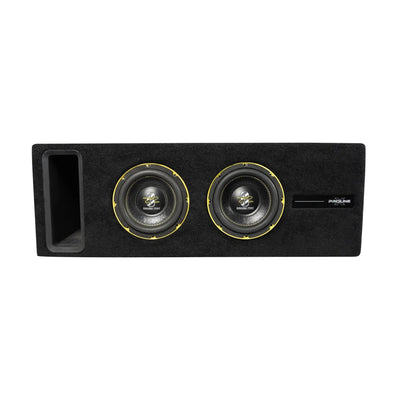
A heavier baffle and more internal bracing on the same universal cutout, for a cabinet that is going somewhere it will be seen or worked hard.
Universal cutout
Baffle thickness and construction method vary by series. Each product page states how that cabinet is built and, where it is driver-matched, which model it was cut for.
Supporting guides to help you design, build, and tune your system.
 Application
Check the port area a 6.5 inch driver needs before you assume the cabinet is big enough.
Read the guide Application
Work out which tuning frequency suits a small driver and the music you actually play.
Read the guide Decision
How ported cabinets compare across sizes, including the small end.
Read the guide Explainer
What an under-seat opening will and will not take, which is usually why a 6.5 is on the table.
Read the guide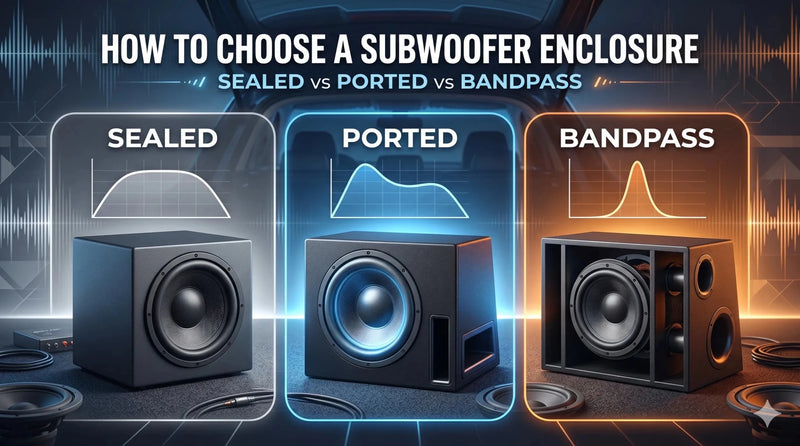 Decision
Why a 6.5 is ported here and what sealed would cost you at this size.
Read the guide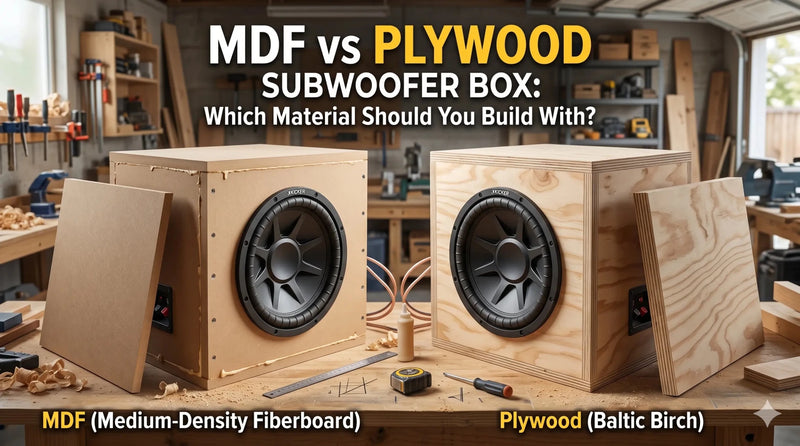 Explainer
Why these cabinets are cut from Langboard Elite MDF rather than plywood.
Read the guideIn a space that will not take a larger driver, yes. A 6.5 in a cabinet cut to the right volume and tuning produces real low end. The mistake is expecting it to replace a twelve rather than to solve a space problem a twelve cannot.
Because a driver this small has very little output to trade away, and sealed trades output for control. Porting recovers efficiency around the tuning frequency, which is where a 6.5 needs the help. If you specifically want a sealed alignment at a small size, look at the eight inch cabinets instead.
Any 6.5 inch driver that clears the published mounting depth. These are universal-cutout cabinets rather than cabinets cut to one driver, so the cutout takes the standard frame. Check the depth figure on the listing against the driver, because a deep motor can foul the rear wall.
More than the cone diameter suggests, because the port has to fit inside the cabinet alongside the net volume. Published external dimensions are on every listing. Measure the opening with trim in place rather than working from a drawing.
If the space takes it, usually. The two drivers share one chamber and one port sized for the pair, so a dual 6.5 gets closer to the output of a single eight than a pair of separate boxes would. Confirm your amplifier is stable at the final impedance your wiring produces.
No. These are cabinets, cut for a driver you supply. That is what the universal cutout is for. Every listing states the cutout diameter and the mounting depth so you can confirm the driver you want will fit before you order.
Every box is cut to one driver's published specs. Pick the brand your subwoofer comes from.
Related Collections
Browse curated picks that work with the products above.
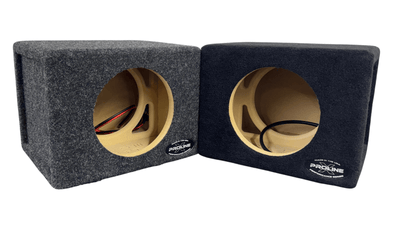
Proline X
$ 129.99
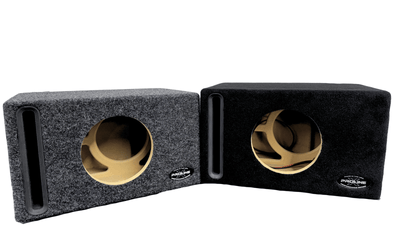
Proline X
$ 169.99
Proline X
$ 169.99
Proline X
$ 199.99
Related Collections
Browse curated picks that work with the products above.
Proline X
$ 149.99
Proline X
$ 169.99
Proline X
$ 179.99
Proline X
$ 199.99
Related Collections
Browse curated picks that work with the products above.
Proline X
$ 159.99 $ 179.99
Proline X
$ 169.99
Proline X
$ 169.99
Proline X
$ 199.99
Last updated August 29, 2026