A 15 inch subwoofer produces bass you feel before you hear it. The larger cone moves significantly more air per excursion than a 12 inch driver. Deeper low-frequency extension, more physical impact, and output levels that smaller drivers can't sustain at the same power. For trucks, SUVs, and any build where enclosure space isn't the limiting factor, a 15 inch sub is the straightforward choice when you want the full output a system can deliver. This collection includes drivers from Image Dynamics, Prodigy, and Audiomobile. Series breakdown, fitment notes, and enclosure recommendations below the lineup.
Why Buy From Audio Intensity
CNC-Matched Enclosures
Spec-built to your driver's Thiele-Small parameters
A 15 inch cone has roughly 56% more surface area than a 12 inch cone. That additional area means more air displacement per millimeter of cone movement, more output at lower distortion, and deeper low-frequency extension. The practical requirement is enclosure volume. A 15 inch driver needs a larger box than a 12 inch design, and installing one in an undersized enclosure produces worse results than a correctly tuned 12 inch system.
When It Makes Sense
This size is best suited for full-size truck beds, SUV cargo areas, and trunks with the rear seat folded. If your available net enclosure volume is under 2.5 cubic feet, a 12 inch driver in a properly tuned box will outperform a 15 inch driver in a compromised one. When the space is available, a 15 inch sub produces bass that a 12 inch driver at the same price point can't match. More physical presence, deeper extension, less strain on the motor at high output levels.
Sound Quality Builds
The 15 inch format rewards careful enclosure work. A high-excursion 15 in a well-tuned sealed enclosure produces bass that integrates with the front stage without the bloated character that comes from a driver pushed beyond its limits. The Image Dynamics IDMAX15 and Prodigy NB5-15 are both capable of this. The difference is in power handling, excursion, and how each driver behaves at the low end of its range.
The Collection at a Glance
Three drivers, each suited to a different build priority.
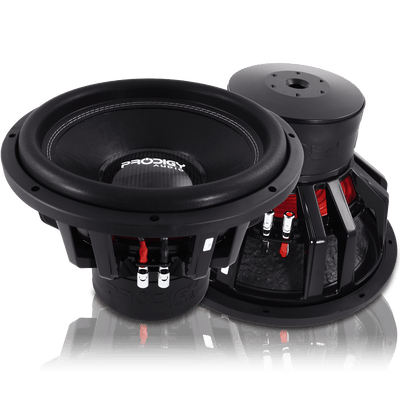
Prodigy NB5-15D2 ($434.99): The SQL flagship in the Prodigy lineup. 1,200W RMS, 27mm one-way Xmax at 70% BL, and a 2.75 inch flat-wound aluminum voice coil with dual Faraday shorting rings for reduced inductance distortion. The motor uses 280 oz of ferrite with a vented pole and radial gap vents for aggressive thermal management. The NB5 thrives in larger ported enclosures tuned to the mid-30Hz range.
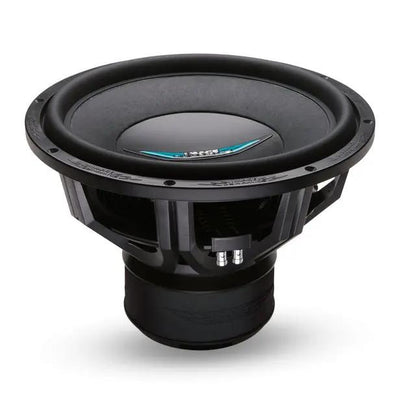
Image Dynamics IDMAX15 V4 ($679.99): A high-excursion 15 inch built for deep extension and long-term reliability under sustained high-power input. The IDMAX line has a strong track record in sound quality competition for its controlled, linear behavior throughout the excursion range. The right choice for builds where accuracy and low-frequency reach are both priorities.
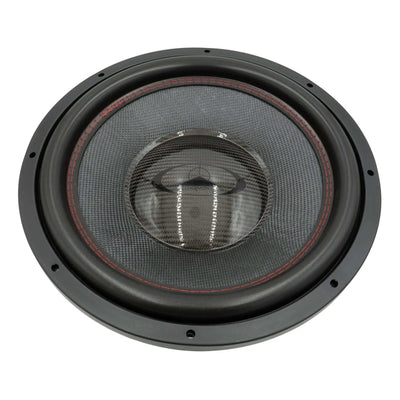
Audiomobile Encore 4415 ($899.95): A shallow-mount 15 inch at 1,000W RMS with Audiomobile's SuperCool convection cooling technology. Engineered for builds where mounting depth is limited but output expectations are not. Dual 4 ohm voice coils, T-shaped magnetic gap motor design, low distortion at high excursion. One of the most technically refined low-profile 15 inch drivers available.
Sealed vs Ported for 15 Inch Subwoofers
Sealed enclosures produce tight, accurate bass with a gradual roll-off below the tuning point. They require less volume than ported designs and integrate more naturally with the front stage. For sound quality builds where accuracy and blending matter more than maximum output, sealed is the right starting point.
Ported enclosures extend low-frequency output and increase efficiency within the port's tuning range. A correctly designed ported 15 produces noticeably more output than a sealed 15 at the same power input, with deeper extension below 40Hz. Typical net volume requirement is 3.0 to 4.5 cubic feet depending on the driver. For bass-heavy music, high-volume listening, and competition use, ported is the direction.
Use the EBP Calculator with the driver's Thiele-Small parameters to determine the right alignment before committing to a build. A 15 inch driver in a generic universal-fit box will not perform the way it was designed to.
Voice Coil Configuration and Amplifier Matching
Dual Voice Coil Wiring
Most 15 inch subwoofers in this collection are available in dual voice coil configurations. A dual 2 ohm driver wired in parallel presents a 1 ohm load, common for high-output monoblock amplifiers. A dual 4 ohm driver wired in parallel presents a 2 ohm load, which suits most monoblock amplifiers with a 2 ohm stable rating. If you're unsure which configuration matches your amplifier, contact us before ordering.
Amplifier Matching
Match your amplifier's RMS output at your wiring configuration's impedance to the subwoofer's RMS rating. An amplifier that clips trying to drive a 15 inch sub will damage the voice coil faster than one that's properly matched. A monoblock amplifier is the standard solution for a single 15 inch sub.
Proline X Enclosures Built for the Drivers We Sell
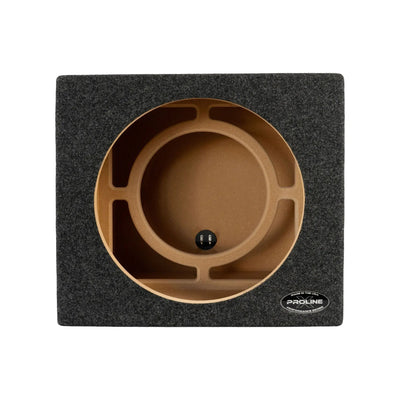
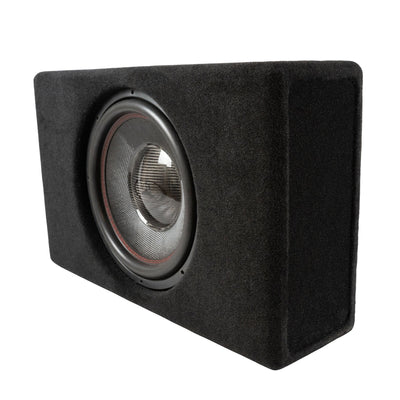
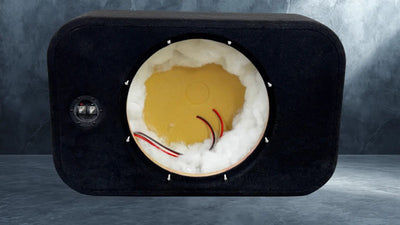
Proline X enclosures are CNC-cut in-house in Tullahoma, Tennessee on ShopSabre routers. Every enclosure is engineered to the Thiele-Small parameters of a specific driver. Internal volume, port tuning, baffle thickness, and bracing calculated from measured driver data, not pulled from a generic template.
15 inch Proline X enclosures are available in sealed and ported configurations. Browse the enclosure collection or contact us to confirm the right match for your driver.
How 15 Inch Compares to Other Sizes
If you have the cargo space and want maximum output and bottom-octave extension, the 15 inch is the right tool. It outperforms a 12 inch in raw SPL and reaches lower frequencies cleanly, but requires significantly more enclosure volume to perform correctly. Compared to an 18 inch, the 15 responds faster and fits more vehicles. The 18 wins for absolute bottom-octave reach and sustained output.
For most truck and SUV builds with the cargo space available, a 15 inch is the sweet spot between maximum output and installable footprint. For SQ-focused builds where accuracy matters more than peak output, a 12 inch in a properly designed enclosure is often the better tool.
Frequently Asked 15 Inch Subwoofer Questions
Is a 15 inch subwoofer too big for most cars?
For sedans and small SUVs, usually yes. The enclosure volume requirement (typically 2.5 to 4.5 cubic feet net) takes up significant cargo space. For trucks with rear cargo room, full-size SUVs, and any vehicle where you can dedicate trunk or bed space to the build, a 15 inch is the right tool. Measure your available enclosure space before committing.
What enclosure size does a 15 inch sub need?
Sealed: typically 2.5 to 4.0 cubic feet depending on the driver. Ported: typically 3.0 to 4.5 cubic feet. Always check the manufacturer's published Thiele-Small parameters and recommended enclosure volumes before building or buying a box. A 15 inch driver in an undersized enclosure performs worse than a correctly sized 12 inch system.
Will a 15 inch sub sound boomy or muddy?
Not if it's matched to the right enclosure and amplifier. A high-excursion 15 in a well-tuned sealed or ported box produces clean, controlled bass with deeper extension than a 12 inch driver. The "boomy" characterization comes from undersized enclosures, mismatched amplifiers, or generic universal-fit boxes that don't suit the driver's parameters. Get the enclosure right and a 15 will sound as articulate as any other size.
Sealed or ported for a 15 inch sub?
Sealed for SQ-focused builds and most music genres. Tighter, more accurate, smaller box. Ported for output-priority builds, particularly hip-hop, EDM, and competition use. A properly tuned ported 15 produces noticeably more SPL than the same driver sealed, with deeper extension below 40Hz. Plan the enclosure carefully; ported 15 builds need precise tuning to perform correctly.
How does a 15 inch compare to a 12 inch subwoofer?
A 15 inch has roughly 56% more cone area than a 12 inch, producing more output and lower extension at the same power level. The 12 inch responds faster to transient signals and fits in more vehicles. For trucks, SUVs, and any build with the cargo space for a properly sized 15 inch enclosure, the 15 wins on output and bottom-octave reach. For SQ-focused builds and most sedans, the 12 inch is often the better choice.
How much amplifier power does a 15 inch sub need?
Match your amplifier's RMS output at your wiring impedance to the subwoofer's RMS rating. 15 inch drivers typically run in the 500 to 1500W RMS range. The Prodigy NB5-15 handles 1,200W RMS, the IDMAX15 V4 handles 1,000W RMS, and the Audiomobile Encore 4415 handles 1,000W RMS. A properly matched monoblock amplifier delivering clean RMS at the wired impedance is what these drivers need to perform.
Spec-Matched Enclosures
Built for the Drivers in This Collection
Every Proline X enclosure is CNC-cut to the Thiele-Small parameters of a specific driver. Internal volume, port tuning, baffle thickness, and bracing calculated from measured driver data. Built and shipped from Tullahoma, TN.